

Veterans Day brings a chance to honor service in a warm, practical way. A clear Veterans Day HOA newsletter can help your community say thank you, share useful details, and invite simple acts of support.
Why Make a Veterans Day HOA Newsletter
Start with a purpose that fits your community. You might want to thank veterans, explain the day, or guide residents to an event or donation drive. A focused goal keeps the Veterans Day HOA newsletter tidy and meaningful.
Honor both veterans and their families. Be specific about what you are asking readers to do, whether that is attending a short flag ceremony or writing thank-you notes. Clear direction makes participation easy.
Keep the tone friendly and even. Avoid politics and rank. Treat each story with care, and make sure the message feels welcoming to every resident who opens the Veterans Day HOA newsletter.
Storytelling That Honors Service
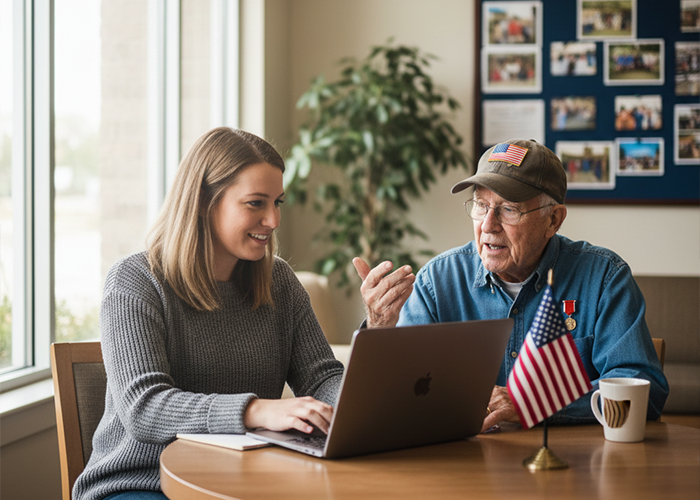
Stories help readers connect. Invite one resident to share a short account of their service and what Veterans Day means to them. Two brief quotes or a few crisp facts are enough.
Ask for consent to publish names, ranks, photos, and years of service. Confirm spellings and preferred forms of address. Send the final draft to the resident for a quick review.
Keep profiles brief so more residents feel seen over time. Rotate branches and eras across issues. If you have many volunteers, line up features for future editions of the Veterans Day HOA newsletter.
Creating a Content Plan
Shape your feature around a few high-value blocks. A note from the board or manager sets the tone. A one-box schedule lists ceremony times, locations, and who to contact with questions.
Use a short primer to explain the difference between Veterans Day and Memorial Day. Add three or four lines on flag etiquette for November 11. Close with a small resource box that points to benefits and support.
When space allows, include one quick list readers can act on right away:
- Donation details for a local drive with dates and drop-off spots
- A card-writing table in the clubhouse with simple prompts
- A reminder for a moment of silence and the suggested time
- A call for photos or stories for the next Veterans Day HOA newsletter
Design and Distribution

Use a single column for email and a clean two-column variation for print. Keep body text large enough to read without effort. Choose two fonts and stick with them for a calm, unified look.
Break up text with clear subheads and short captions. White space is your friend. Readers should be able to scan the Veterans Day HOA newsletter in seconds and decide what to read first.
Share the same feature across channels without extra work. Email the full piece. Place a few printed copies in common areas. Post a short teaser on your website or community board that points back to the full newsletter.
Accuracy, Permissions, and Respect
Check dates, branch names, ranks, and spellings twice. Confirm event times with organizers and security. If your feature mentions flag display at night, note the need for proper lighting.
Use written releases for photos and stories, especially if minors appear. Keep a simple one-page form on file so next year’s process moves faster. Store approvals with the final version of the Veterans Day HOA newsletter.
Balance coverage so no group feels overlooked. If you profile one person this year, invite others to share for future issues. Make space for families and caregivers who want to add a short note of thanks.
Make Participation Simple
Most residents want to help but need direction. Give them one clear action with easy steps. Offer plain instructions, a contact person, and a deadline.
If you host a ceremony, include accessibility details, parking notes, and a rain plan. Share how long the event will run and whether seating is available. Short, direct lines reduce confusion.
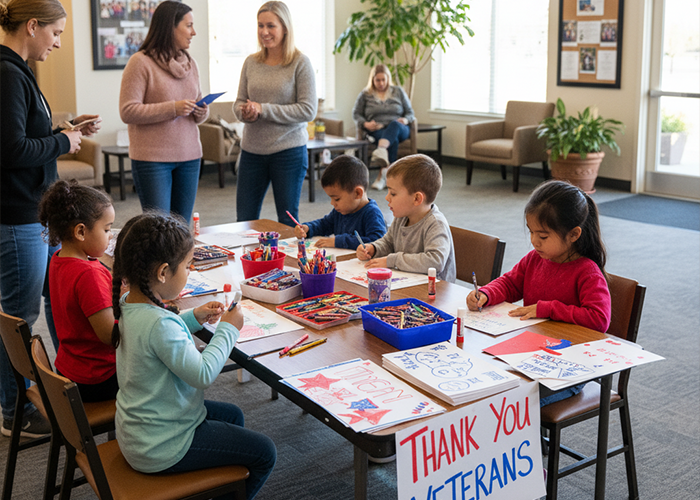
Invite kids to join in small ways. Provide a thank-you note template or coloring page. Ask parents to send a photo of finished cards for a future Veterans Day HOA newsletter recap.
Working With Local Partners and Schools
Local groups can help your feature reach more people. Connect with the American Legion, VFW posts, and nearby schools to gather ceremony details and simple volunteer needs. Ask for a short quote or a two-sentence blurb that explains how residents can take part.
Student projects fit well in a community newsletter. A class can write thank-you notes or create small art pieces for a lobby display. Share a few photos with permission, then invite families to read the next Veterans Day HOA newsletter for a short recap.
Keep coordination light. One contact per group is enough. Confirm dates, arrival times, and any collection guidelines so your information stays accurate and clear.
Budget and Approvals

Plan a small budget so your team doesn’t have to scramble. Common costs include printing, a few photo permissions, and simple supplies for a card-writing table. If you plan light refreshments for a ceremony, list the items and assign a buyer.
Follow your internal approval path. Route the draft, photos, captions, and releases at the same time to save a round of edits. Confirm insurance and vendor requirements if you hire a photographer or bring in outside help.
Record what you spent and who approved it. A short summary helps the board plan next year’s Veterans Day HOA newsletter without guesswork.
Measure, Learn, and Carry It Forward
Track open rates, page views, QR scans, and RSVPs. Ask a handful of residents what felt helpful and what felt missing. Simple feedback beats a long survey.
Save your outline, releases, and image credits. Next year, you can update the Veterans Day HOA newsletter with new stories and the same strong structure. Small improvements each year add up to a tradition that feels steady and sincere.
Sending a Clear Message
A thoughtful Veterans Day HOA newsletter thanks those who served and shows residents how to take part. Keep the message kind, precise, and easy to scan, and your community will feel both included and informed.
Related Articles: