

Most properties do not fall apart overnight; problems usually build up slowly until one day a leak, crack, or outage forces everyone to pay attention. A long-term maintenance plan gives you a clear path so those moments become rare instead of routine. With the right structure, the plan guides decisions, protects your budget, and keeps your buildings and shared areas in good shape for the long run.
What a Long-Term Maintenance Plan Really Means
A long-term maintenance plan acts like a roadmap for everything your property needs over time. Instead of handling repairs one by one, you look at the whole picture and decide what should happen this year, next year, and several years down the road.
The plan usually lists major components, expected lifespans, and the kind of care each item needs. Roofs, pavement, paint, plumbing, and mechanical systems all appear in one place, which makes it easier to see what is coming up and where money needs to be set aside.
Why Planning Ahead Protects Your Property
Good planning cuts down on emergencies. When roofs are checked regularly, drains stay clear, and equipment is serviced on schedule, many surprise breakdowns never happen in the first place.
Safety improves as well. Sidewalks stay even, lights keep working, and handrails remain solid. Residents and visitors notice when a property is looked after, and so do buyers and lenders.
Planning ahead also brings more predictable costs. Instead of emergency invoices at random times, you can schedule projects, compare bids, and spread expenses across the year.
Taking Stock of Your Buildings and Grounds
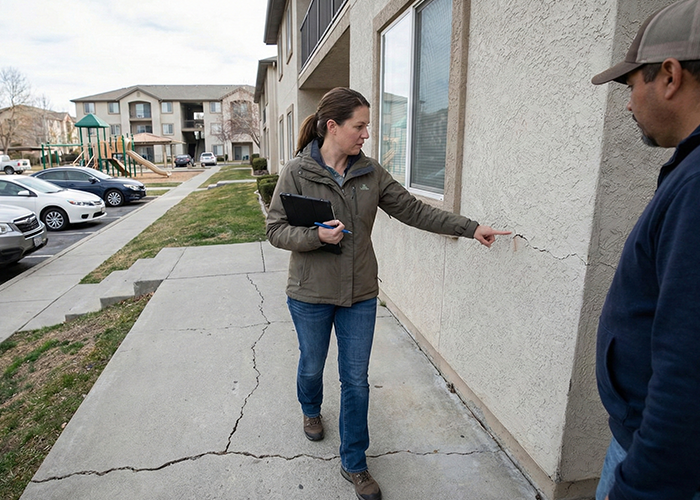
A thorough walk-through provides the base for any strong plan. Each building, walkway, parking area, and shared space should be inspected with a notebook or digital checklist in hand.
Photos, dates, and short comments help you remember what you see. Small cracks, stains, or soft spots in drywall or flooring can be tracked over time, which helps you decide when a quick repair is enough and when a larger project belongs in the long-term maintenance plan.
Professional inspections still have value. A reserve specialist, engineer, or trusted maintenance company can confirm your observations and point out issues you might have missed.
Creating a Practical Maintenance Outline
A simple maintenance outline turns your notes into something you can use every week. Items can be grouped by system, by building, or by area of the property so tasks feel organized instead of scattered.
Many managers like to divide the outline into sections such as exterior, interior, mechanical, and grounds. Each section then holds a short list of recurring tasks and a few larger projects that will need attention within the next several years.
For easy reference, the outline can highlight which items are handled by staff, which require vendors, and which should be inspected by specialists. That way, everyone understands their role before a problem appears.
Using a Regular Maintenance Plan Day to Day

Daily and weekly tasks belong in a regular maintenance plan. Cleaning common areas, changing filters, replacing light bulbs, and checking for clear exits all sit in this part of the schedule.
Those routine visits create chances to spot early warning signs. A slow stain on a ceiling, a door that no longer closes smoothly, or a growing crack in a sidewalk can all be captured and moved into the long-term maintenance plan for follow-up.
Short-Term Tasks vs Long-Term Projects
Short-term tasks keep the property running from week to week. Simple work such as cleaning, minor touch-ups, and quick fixes usually gets handled right away and rarely needs a big budget.
Long-term projects take more planning. Roof replacements, repaving, major plumbing work, and equipment upgrades often require bids, schedules, and reserve funds. Separating these two buckets keeps your daily to-do list from being overwhelmed by large projects that belong on a longer timeline.
Clear labels such as “routine,” “scheduled,” and “capital project” make it easier to assign work, track progress, and set realistic expectations with your board or ownership group.
Prioritizing Safety, Comfort, and Curb Appeal
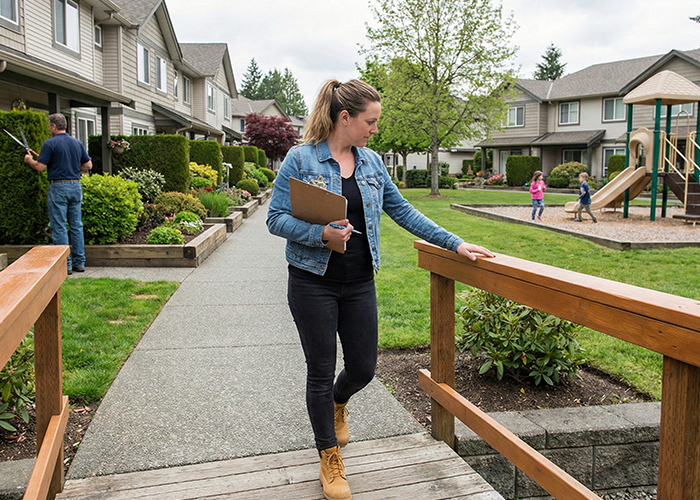
Not every task carries the same weight. Safety and building protection come first, since these items help avoid injuries and expensive structural damage.
Comfort and curb appeal come next. Fresh paint, tidy landscaping, and working amenities keep residents satisfied and support property values. Even when the budget feels tight, a few visible improvements each year show that the community is moving in a positive direction.
Scheduling Work Across the Seasons
Each season brings different maintenance needs. Roof work, exterior painting, and paving often work best in dry, mild weather, while interior repairs can be scheduled during colder or wetter months.
A calendar that shows seasonal tasks alongside everyday work keeps the load balanced. Vendors also appreciate this kind of schedule, since it gives them time to plan crews and materials for larger projects.
Budgeting for Major Repairs and Replacements

Big-ticket items deserve their own space in the long-term maintenance plan. Roofs, boilers, chillers, elevators, and large paved areas all come with high costs and clear replacement cycles.
A simple cost forecast helps you line up expected expenses with realistic savings goals. When everyone understands what is coming and why money is being set aside, budget meetings tend to feel less stressful.
Clear numbers also support conversations with lenders and insurers. Better planning often leads to better terms, because partners can see that large repairs are being handled responsibly.
Aligning the Plan with Reserve Studies
Many communities use reserve studies to estimate how much money should be saved for future projects. Those reports list components, costs, and time frames in a format that pairs well with a long-term maintenance plan.
When the plan and the reserve study match up, boards and owners gain confidence. The maintenance outline then supports financial decisions instead of sitting in a separate binder.
Updates to the reserve study can also signal when the plan needs a closer look. New cost estimates or changed timelines should be reflected in both documents.
Working with Maintenance Specialists and Vendors
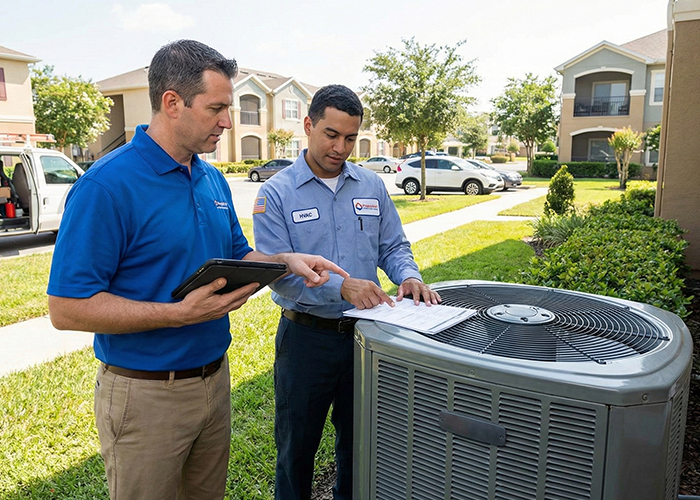
Outside vendors bring skills and tools that most communities do not keep in-house. Electricians, plumbers, HVAC techs, roofers, and general contractors all play a role in keeping the plan on track.
Clear scopes of work, written expectations, and regular communication keep those relationships healthy. When vendors see that you follow a plan, they often respond with better pricing, more accurate timelines, and helpful suggestions.
Involving Residents and Communicating Clearly
Residents see the property every day. Their comments can serve as an early warning system for leaks, trip hazards, or failing equipment.
Simple communication usually works best. Short notices, email updates, or portal messages can explain upcoming projects, expected noise or dust, and the benefits of completed work. When people understand the plan, they tend to be more patient with the process.
Using Simple Tools and Technology
Basic tools help keep a long-term maintenance plan organized. Spreadsheets, shared drives, and maintenance apps allow teams to store photos, notes, and schedules in one place.
A digital task list can show what is due this week, what is planned for next month, and which long-term projects are coming up in the next few years. Even a small team can stay coordinated when everyone checks the same information.
Alerts and reminders also prevent important inspections from being forgotten. Fire alarms, elevators, and other safety systems benefit from clear, scheduled reminders.
Setting Clear Roles for Your Maintenance Team
Every plan works better when people know what they are responsible for. Boards, managers, maintenance staff, and vendors each hold a different piece of the puzzle.
Job descriptions, written procedures, and simple checklists keep tasks from slipping through the cracks. When a repair is reported, it should be clear who logs it, who assigns it, and who closes it out.
Regular check-ins with the team help you see what is working and what needs to change. Feedback from the field often leads to small adjustments that make the long-term maintenance plan easier to follow.
Common Mistakes to Avoid in Your Plan
Some plans look great on paper but fall apart in practice. Overloading the schedule, ignoring realistic costs, or skipping routine inspections can all undermine your efforts.
Unclear priorities also cause trouble. If everything feels urgent, staff and vendors may struggle to decide what to tackle first, and important safety items can end up delayed.
Frequent review and honest conversation about what is not working keep those mistakes from repeating. A long-term maintenance plan should feel like a helpful tool, not a rigid set of rules that nobody can follow.
Tracking Repairs, Inspections, and Costs
A written or digital log keeps your long-term maintenance plan grounded in reality. Each repair, inspection, or service visit can be recorded with the date, cost, and brief notes.
Over time, patterns appear. Frequent repairs on the same component may signal that a full replacement should move up the priority list. The log then becomes a tool for making smart choices, not just a stack of receipts.
Reviewing and Updating the Long-Term Maintenance Plan
No property stays the same forever. New amenities, code changes, storms, and normal wear all affect the schedule laid out on paper.
A yearly review keeps the long-term maintenance plan accurate. Completed projects can be checked off, timelines can be adjusted, and new items can be added. What began as a one-time document then grows into a living guide for the property.
Bring Your Plan to Life
A strong plan does not sit in a binder on a shelf. It shapes everyday work, supports budgets, and helps guide the future of the property. Over time, that steady care often costs less than constant emergencies and leaves your property looking ready for whatever comes next.
Maintenance Specialists Inc. offers a wide range of commercial property maintenance services. Call us now at 704.405.6000 or contact us online for more details!
Related Articles: