
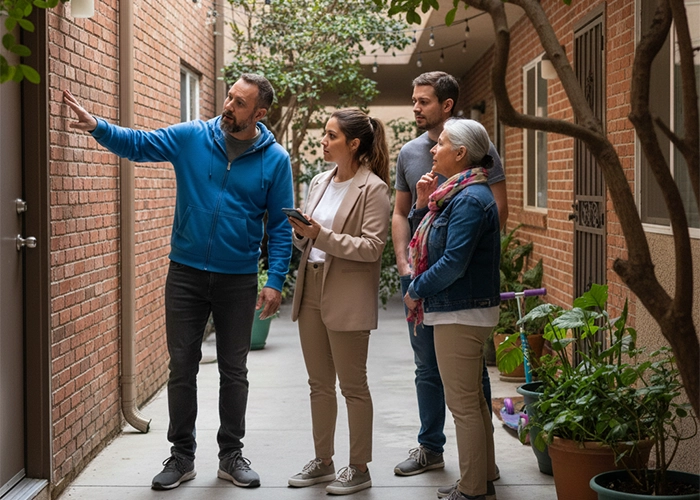
Maintenance issue reports can either keep a community running smoothly or turn into a steady stream of frustration. A clear process gives residents confidence, protects the association, and helps repairs happen faster. This guide breaks down how communities can handle maintenance issue reports with less confusion and better results.
Maintenance Issue Reports Start With Intake
A strong intake process keeps small issues from turning into expensive problems. Clarity matters more than speed at this stage, because bad details create delays later. The best systems make it easy to submit a report and hard to submit an incomplete one.
A standard report format also helps your maintenance team spot patterns across the property. Even when a resident writes a long note, the essentials should still be easy to find. Maintenance issue reports work best when the same core details show up every time.
A good intake form usually asks for:
- Exact location (building, unit, floor, nearby landmark)
- What happened and when it was first noticed
- Photos or a short video when possible
- Safety concerns (smell of gas, sparks, standing water, blocked exits)
- Best contact method and access notes (pets, gate codes, quiet hours)
A Simple Triage System Keeps Work Moving

A community needs a shared definition of “urgent.” Without one, everything feels like an emergency and nothing gets handled well. A triage system sets expectations and protects the schedule for true priorities.
Three tiers cover most communities and keep decisions consistent. The same tiers can apply whether the request comes in by portal, email, phone, or a walk-in conversation. Once the tiers are clear, maintenance issue reports stop competing for attention in random ways.
A practical tier setup looks like this:
- Emergency: Immediate risk to people or serious property damage.
- Urgent: Rapid worsening likely, but not life-safety right now.
- Routine: Annoying, cosmetic, or stable issues that can wait.
A resident update should happen quickly even if the repair itself cannot. That message lowers stress and reduces repeat follow-ups. Clear triage turns silence into structure.
Documentation That Holds Up Over Time
A community’s memory should not live in someone’s inbox. A clean record protects budgets, supports vendor billing, and helps avoid disputes. That record also helps new staff pick up where others left off.
Each report should have a time-stamped trail from intake to close-out. Notes should stay factual and calm, even when a resident sounds upset. Strong records make maintenance issue reports easier to defend and easier to learn from.
A solid record typically includes:
- Date received, date acknowledged, date completed
- Priority tier and any changes to it
- Who inspected, who approved, who performed the work
- Photos before and after, plus any test results if relevant
- Materials used and labor hours for repeat-cost tracking
Communication That Calms People Down

Most frustration comes from uncertainty, not the repair itself. Residents want to know that the issue is real, seen, and queued with a fair process. Short updates beat long explanations, especially when the community is busy.
Tone makes a difference, even in quick messages. A steady voice reduces escalation and keeps the relationship professional. That approach also helps when maintenance complaints start piling up around the same topic.
A helpful update usually covers three points: what happens next, when the next update will arrive, and what the resident should do in the meantime. Access instructions should be confirmed early so the repair does not stall at the door. When delays happen, a clear reason and a new timeline prevent rumor-building.
Safety First for True Emergencies
Emergencies demand speed, but they still need structure. A community should define which issues qualify, who gets called first, and how after-hours reporting works. Confusion in the first five minutes can create bigger damage in the next hour.
A written emergency plan also keeps staff safer. That plan should include basic response steps, vendor contacts, and escalation rules. Even a small community benefits from practiced procedures.
Common emergencies include active leaks, electrical hazards, blocked exits, and conditions that threaten health or safety. In those moments, the goal is containment first, then repair. Follow-up documentation should happen once the situation is stable, not while the problem is still unfolding.
Clear Roles Keep Decisions From Stalling

Many communities lose time because nobody knows who can approve what. A clear chain of responsibility keeps the work moving while still respecting budgets and governance. The goal is simple: fewer handoffs and fewer “let me check” delays.
Roles should be documented in plain language. Board members should not act as dispatchers, and on-site teams should not guess at budget authority. When those boundaries are clear, maintenance issue reports flow through a predictable path.
Often, a clean setup looks like this:
- Residents report issues through approved channels.
- Management screens and assigns priority.
- Maintenance staff or vendors inspect and propose scope.
- Approval follows preset thresholds tied to the budget.
- Close-out includes a quality check and resident notice.
Vendor Dispatch Without Loose Ends
Vendors perform better when the scope is clear. Vague work orders lead to change orders, missed expectations, and repeated trips. A short, specific scope saves money and reduces resident disruption.
Scheduling needs structure, too. Access windows, parking rules, and on-site contact points should be set before the vendor arrives. That kind of planning prevents stalled work and awkward rescheduling.
Quality checks should not feel adversarial. A simple “verify the fix” step keeps standards consistent and catches issues while the vendor is still close by. Photos, brief notes, and confirmation of any warranties should be part of close-out.
Recurring Problems Need Root-Cause Fixes
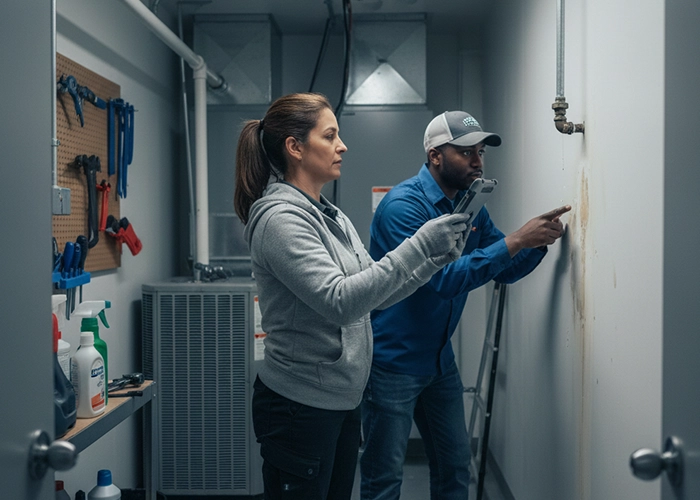
A steady drip of the same issue is a signal. The fastest repair is not always the smartest repair when the same component fails every month. Patterns deserve a deeper look, especially in older properties.
Preventive maintenance reduces repeat tickets and surprise costs. Regular inspections also help prioritize capital planning and reserve projects. Over time, maintenance issue reports become a useful data set instead of a constant interruption.
Recurring issues often point to:
- Deferred maintenance that finally caught up
- Poor drainage, ventilation, or weatherproofing
- Equipment life-cycle limits
- Resident misuse that needs education, not just repair
- Vendor work that needs a tighter scope or better oversight
Technology Should Support the Process
A fancy platform will not fix a messy workflow. Technology works best as a simple front door and a reliable filing cabinet. Ease of use matters more than extra features.
A shared system should allow residents to submit issues, attach photos, and receive updates. Staff should be able to tag priorities, assign work, and track completion without duplicating entries. When the system is simple, adoption rises and fewer reports get lost.
Multiple intake channels can work, but one central log matters. That log prevents duplicate tickets, conflicting instructions, and missing close-outs. Consistency turns maintenance issue reports into a manageable queue instead of scattered messages.
Reporting to the Board Without Overload

Boards need visibility, not a flood of details. A monthly snapshot can show volume, response times, repeat issues, and high-cost categories. That level of reporting supports planning and budget decisions.
A short dashboard-style report often includes:
- Number of new requests and number closed
- Average time to first response and to completion
- Top recurring categories and likely causes
- Spend by category compared with budget
- Aging list of open items by priority tier
Trends matter more than one-off stories. Over a few months, the numbers can point to staffing needs, vendor performance, and coming capital projects. Better reporting also helps explain decisions to residents in plain language.
Accessibility Requests Need Extra Care
Some reports involve accessibility features or disability-related needs. Those situations require prompt attention and a thoughtful process. A normal repair may turn into a compliance issue when an accessible route, door hardware, or similar feature stops working.
Documentation and communication still matter, but speed matters too. A broken accessible feature can limit a resident’s ability to use and enjoy their home. When a request involves an accommodation tied to a disability, careful handling and clear records reduce misunderstandings.
A good approach includes quick acknowledgement, a clear plan for next steps, and a timeline that reflects the impact of the issue. Coordination with legal counsel may make sense for complex requests, but basic responsiveness should never wait. Consistency and respect keep the process fair for everyone.
Closing the Loop
Communities run better when maintenance issue reports move through a clear system from intake to close-out. A predictable process lowers stress, protects budgets, and keeps small problems from growing legs. With the right structure, the work feels less reactive and a lot more under control.
Related Articles:
- How to Reduce Maintenance Backlogs
- How to Create a Long-Term Maintenance Plan
- Preventing Slip-and-Fall Hazards on Common Property