

A late-night leak, a stuck elevator, or a tripped breaker can turn a quiet property into a fast-moving problem. Emergency maintenance works best when a plan already exists, not when everyone is improvising. With the right setup, HOAs and multifamily teams can protect residents, limit damage, and keep decisions steady under pressure.
Emergency Maintenance Starts With Preparation
Emergency maintenance begins long before the first call comes in. A simple playbook keeps the board, manager, and on-site team aligned on what counts as an urgent issue, who gets contacted, and what authority exists after hours.
A short “first-response” packet helps more than a thick binder. Key shutoff locations, vendor numbers, access instructions, and a clear approval path should sit in one place that can be reached from a phone. A paper copy belongs in the office, and a digital copy belongs in a shared folder that does not depend on one person’s device.
Seasonal risks deserve a quick check-in, too. Cold snaps can stress pipes and boilers, heat waves can strain HVAC, and storm season can bring roof leaks and power issues. A ten-minute review before the busy season can prevent a lot of scrambling later.
Clear Roles Keep Calls From Spinning
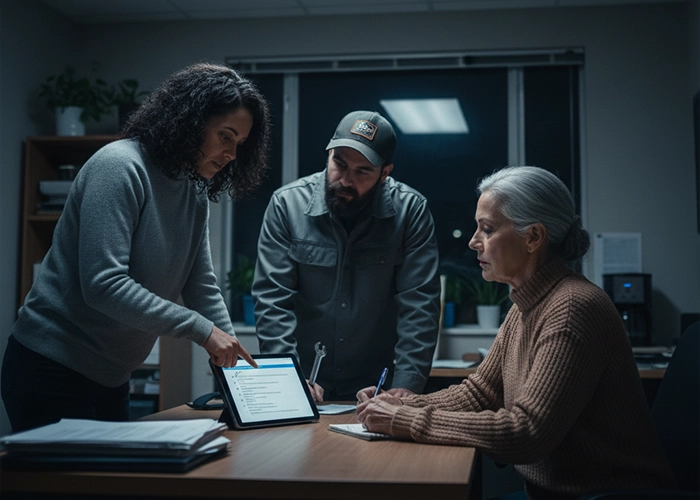
Confusion wastes time, and time usually equals money during emergency maintenance. A clear chain of command lets the on-call person act quickly while still respecting board oversight and budget controls.
Day-to-day authority often sits with the community manager or building supervisor, while the board sets the guardrails. Those guardrails should include spending thresholds, preferred vendors, and a quick method to reach a board point person when a major decision lands at 2 a.m. A backup contact matters as much as the primary one, since vacations and travel happen.
Job titles alone do not solve the problem. Clarity improves when responsibilities are written in plain language, then reviewed at least once a year. A short reminder during a board meeting can keep everyone on the same page without turning the topic into a long presentation.
A Calm Intake System
A panicked report can turn a small issue into a bigger one. A calm intake system helps the person receiving the call gather details, assess risk, and send the right help the first time.
A short set of questions can guide the conversation. Location details, visible hazards, and the presence of vulnerable residents change the response in a real way. Photos help, but safety comes first, so residents should never be asked to enter a flooded electrical room or climb into an attic.
A single channel for after-hours requests reduces confusion. A dedicated phone line, answering service, or on-call rotation can work, as long as residents know what to use. When multiple numbers exist, calls get split, updates get lost, and the response gets slower.
Communication That Residents Trust
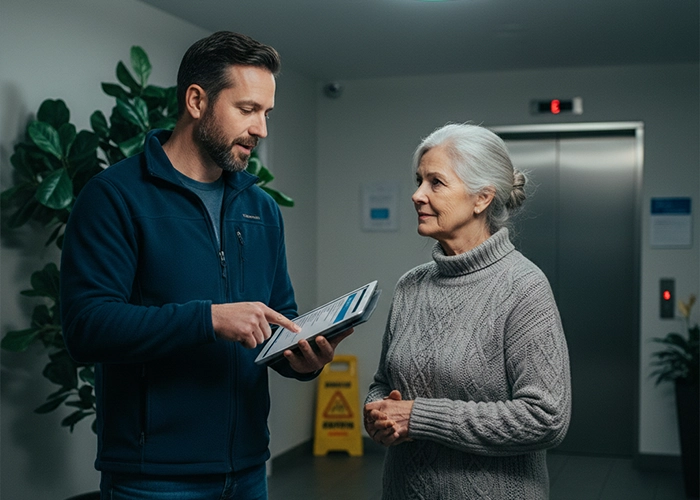
A calm message can reduce repeated calls and hallway rumors. Residents mostly want to know three things: what happened, what is being done, and what they should do right now. Those points can be delivered without sharing sensitive details about a specific unit or resident.
Short updates work better than long explanations during emergency maintenance. A text alert for urgent safety issues, followed by an email with more detail, keeps people informed without flooding them with noise. A simple “next update at 9 a.m.” line can also reduce follow-up calls.
Tone matters as much as content. Messages that sound defensive tend to spark more conflict, even when the response has been solid. A steady, factual update builds trust, especially when the situation is frustrating for everyone.
Vendor Readiness for After-Hours Calls
The best plan falls apart when no one answers the phone. A dependable vendor bench should cover plumbing, electrical, HVAC, restoration, and critical systems like fire alarms and access control. Multifamily properties often need elevator service and garage gate support, too.
Response expectations should be written down and reviewed before the season changes. A simple agreement on call-back time, arrival window, and pricing rules can prevent arguments when invoices arrive. Contact details should be verified regularly, since vendor dispatch numbers change more often than people expect.
Insurance and documentation deserve attention during vendor selection. Licenses, proof of coverage, and a clear scope of work can protect the association when a job becomes more complicated than planned. A well-run vendor relationship can also speed up emergency maintenance, because the vendor already knows the property and its quirks.
Safe Access Without Chaos
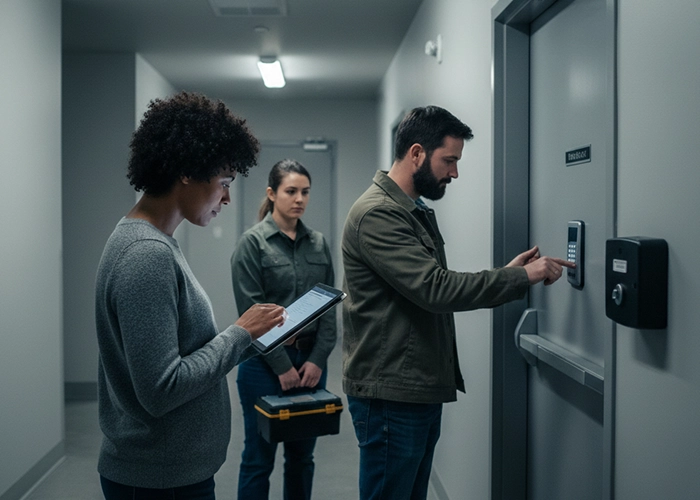
Entry is often the hard part in multifamily buildings. Locked mechanical rooms, gated parking, and tenant privacy rules can slow response during emergency maintenance. A resident who cannot be reached can create a delay that feels unacceptable when water is spreading.
A controlled key system helps. Lockboxes, coded doors, and an entry log keep access secure while still allowing urgent work to move forward. Property staff should know which doors must stay locked for safety, and which doors can be opened for emergency access.
Consent rules also deserve a quick refresher. Many associations rely on governing documents, lease language, and posted policies that address entry for urgent repairs. A consistent approach keeps the team fair and reduces disputes after the fact.
Triage That Protects People
Not every problem needs a middle-of-the-night repair, even when it feels urgent. A practical triage system helps the team focus on safety, active damage, and essential services first. Residents appreciate speed, but they appreciate the right response even more.
Most properties do well with a few clear priority bands:
- Life-safety issues, such as fire alarms, gas smells, or structural concerns
- Active water leaks, sewage backups, and flooding
- Power loss affecting units, elevators, or critical equipment
- Secure-entry failures that leave buildings exposed
A clear triage approach should include escalation rules. Emergency services should be contacted when immediate danger exists, and that point should be stated plainly in resident communications. When the plan makes this clear, staff and residents do not have to guess in a stressful moment.
High-Risk Systems to Watch
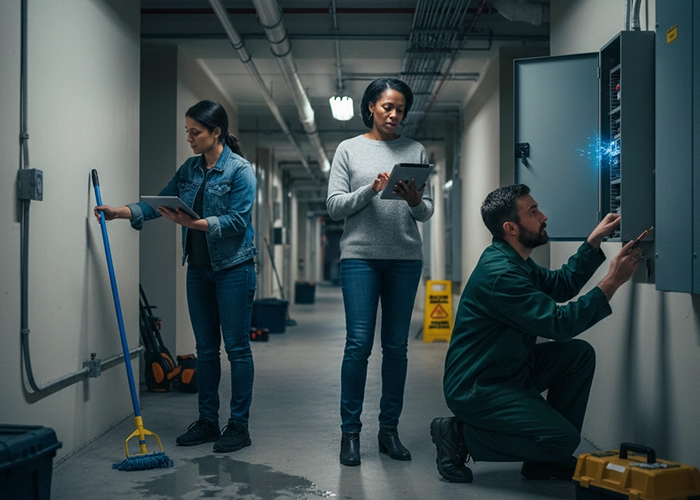
Certain systems create outsized risk, so extra attention pays off. Faster decisions often come from knowing what the first step should be when something fails. A short “first move” list for common failures can keep a response focused.
Water Leaks and Fast Damage
Water travels, and it rarely stays inside one unit. Quick shutoff, source control, and drying steps can limit both repair costs and resident disruption. A small leak can still create mold risk when it sits behind drywall for days.
Communication should match the reality of the situation. Residents below and beside a leak often need clear instructions about moving belongings and avoiding wet outlets. A restoration partner can also help with moisture checks and drying plans that support a clean repair.
Photos taken early help later conversations. A simple set of time-stamped images, plus notes on what was found, supports insurance, vendor coordination, and board reporting. That record also helps when residents disagree on when an issue started.
Power Issues and Heat Loss
A partial outage can look small and still cause major trouble. Failed sump pumps, dead corridor lights, and down access-control systems can create safety problems within minutes. A cold building can also become a habitability concern faster than most boards expect.
An electrician should handle the main panel and any burning smell. Residents can be reminded to avoid candles and overloaded power strips until service is restored. For larger outages, property staff can focus on lighting, stairwell safety, and controlled access points.
Fire and Life Safety
Fire alarm trouble signals, sprinkler issues, and blocked exits need immediate attention. Local code rules and monitoring requirements vary, so the response plan should match the building’s setup. A clear plan also prevents avoidable fines and repeated false alarms.
Testing and reset steps should be left to trained vendors. A quiet “false alarm” assumption can create risk when a system is actually impaired. When a system is out of service, local requirements may call for a fire watch or other temporary steps.
Paperwork That Saves Money Later
Good documentation turns a stressful night into a clean record the next day. Work orders, entry notes, photos, and vendor reports keep the story straight when questions come up. A clear record also supports insurance, warranty claims, and future budgeting.
A short timeline can be helpful. The first report, the first call to a vendor, and the moment the issue was contained are key points to capture. Those details help the board understand what happened without turning the review into a blame session.
A quick debrief also helps. The next business day is a good time for a short recap to the board, including what happened, what was approved, and what follow-up work is needed. Patterns often show up during these recaps, especially with recurring leaks or equipment failures.
Funding the First Response
A strong reserve plan helps, but cash flow still matters when an emergency hits. Clear rules for purchase orders, credit-card use, and invoice approval prevent delays. Vendor relationships improve when payment does not become a second emergency.
Room should also exist for unexpected maintenance that does not fit a neat line item. A modest contingency, paired with clear spending authority, keeps small crises from turning into bigger ones. After the dust settles, the reserve study and operating budget can be reviewed to see if recurring issues need a different funding approach.
Transparency protects trust. A brief note to residents after a major event can explain that a repair was made, follow-up work is planned, and costs will be handled through the proper budget process. That kind of communication reduces speculation.
Practice Before it Counts
Plans tend to look perfect on paper. Real readiness shows up when the team can walk through a scenario without confusion. A short tabletop exercise during a board meeting can reveal gaps in contact lists, access plans, and decision rules.
Training does not have to be complicated. A quick refresher for staff on shutoffs, panel locations, and emergency signage can improve response speed. Vendor contacts should be tested, too, since a dead number is common and costly.
Follow-up should include prevention. Root-cause fixes can turn repeat emergencies into routine maintenance, such as replacing failing valves, updating sump pumps, or correcting drainage near foundations. Emergency maintenance becomes less frequent when preventive work is treated as a real priority, not an optional extra.
Ready Before the Ring
Emergency maintenance will never feel convenient, yet it does not have to feel chaotic. Strong preparation, clear roles, and steady communication can keep the response focused even when the issue is messy. When the next alarm rings, the team’s plan should already be doing most of the work.
Related Articles: