
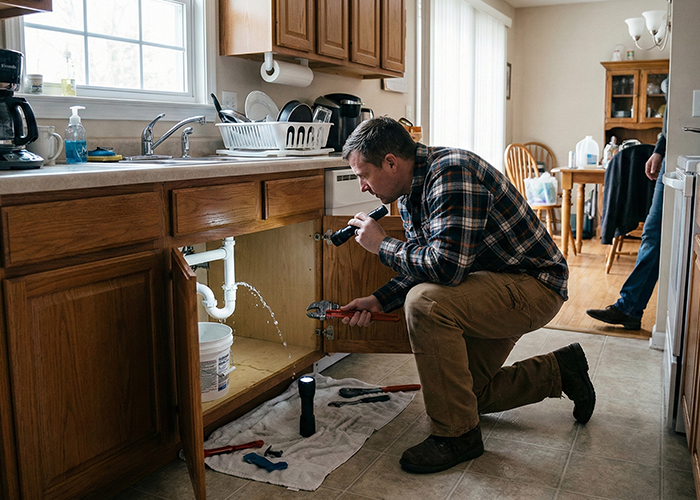
Plumbing trouble has a way of showing up at the worst possible time, and the stress usually comes from how fast things can escalate. Most common plumbing emergencies share the same problem: water keeps moving until someone stops it. A calm plan and the right specialist response can keep a small mess from turning into a major repair.
Common Plumbing Emergencies: What Happens First
Most common plumbing emergencies feel urgent because the home is at risk right now, not “later today.” Water damage can spread quickly into flooring, drywall, cabinets, and even electrical areas. The goal in the first few minutes is simple: slow the situation down so the repair can be done safely.
A good starting point is knowing where the main shutoff valve sits and how it turns. An individual fixture shutoff (under a toilet or sink) can sometimes solve the immediate crisis without cutting water to the whole property. When water is near outlets, lights, or appliances, power safety matters as much as plumbing.
First-Response Basics That Help
- The main shutoff valve location should be identified before an emergency happens.
- A photo of the water heater, under-sink valves, and cleanout can help when describing the issue on a service call.
- Wet towels and buckets can buy time, yet the real win comes from stopping flow at the source.
Burst Pipes and Fast Flooding
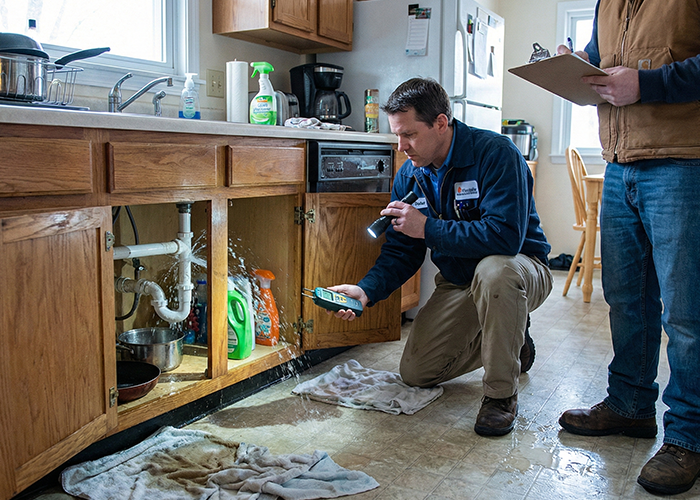
A burst pipe usually announces itself with a sudden drop in pressure, a loud rush in a wall, or water appearing where it should never be. Cold weather is a common trigger, although age, corrosion, and shifting joints can do it too. In multi-unit buildings, the damage often travels beyond one home.
Specialists start by isolating the affected line and confirming the break location. Moisture meters, thermal tools, and careful inspection help narrow down the source without unnecessary demolition. Once the pipe is exposed, a permanent repair is chosen based on pipe type, access, and surrounding damage.
How Specialists Typically Handle It
A clean cut and proper coupling or replacement section is usually preferred over a quick patch. Pressure testing may be done to confirm the fix holds before walls are closed. Drying and mold prevention steps are often recommended, since hidden dampness can linger long after the water stops.
Overflowing Toilets That Will Not Stop
An overflowing toilet looks simple, yet it can create a mess in minutes. A clog is often involved, but a malfunctioning fill valve, stuck flapper, or blocked drain line can keep the bowl refilling and spilling. In shared plumbing stacks, one toilet overflow can hint at a bigger line problem.
Specialists check the shutoff valve behind the toilet first and confirm whether the issue is local or tied to the main branch. When a plunger cannot restore normal flow quickly, professional augers and inspection methods become the safer path. A wax ring failure can also mimic an overflow, especially when water appears at the base.
When It Signals a Larger Problem
Repeated backups, gurgling drains, or water rising in nearby tubs can point toward a main line obstruction. That moment is when common plumbing emergencies can stop being “a toilet issue” and start becoming a building drainage problem.
Sewer Backups and Foul Odors
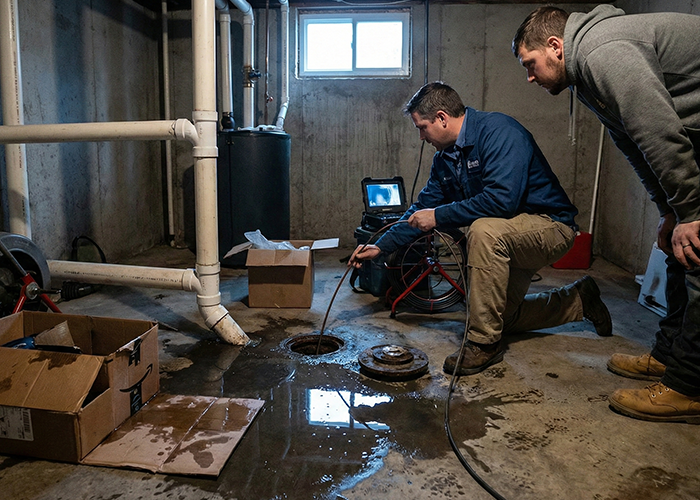
Sewer backups are among the most disruptive common plumbing emergencies because the cleanup is hazardous and the cause can be stubborn. Slow drains in multiple fixtures, bubbling toilets, and a strong sewer smell often show up before a full backup. Tree roots, collapsed lines, grease buildup, and improper items flushed down drains can all play a role.
Specialists focus on diagnosis before they start clearing. A drain camera inspection can confirm whether the blockage is soft buildup, roots, or structural damage. That information changes the solution, since a root invasion is handled differently than a simple clog.
How the Fix Usually Works
A professional clearing method may include power augering, root cutting, or hydro-jetting, depending on pipe condition. In damaged lines, repair or lining options may be discussed to prevent repeat backups. Sanitisation guidance is commonly provided, since exposure risk remains even after the pipe flows again.
Water Heater Leaks and No Hot Water
A failing water heater can bring two emergencies at once: water on the floor and a sudden loss of hot water. The source might be a valve, a connection, a corroded tank, or a failing temperature and pressure relief system. Gas units add another layer of safety considerations.
Specialists check the unit’s age, signs of tank corrosion, and whether the leak is coming from a repairable connection or the tank body itself. A leaking tank often means replacement, because internal corrosion does not reverse. When the problem is a valve or fitting, a safe repair can sometimes extend the heater’s life.
Safety Comes First Here
Water heaters involve heat, pressure, and sometimes gas. That combination is why specialist handling matters, especially when the area shows water near burners, electrical panels, or venting components. In many homes, a drip pan and drain line are also reviewed because they can prevent future floor damage.
Clogged Drains That Turn Into Overflows
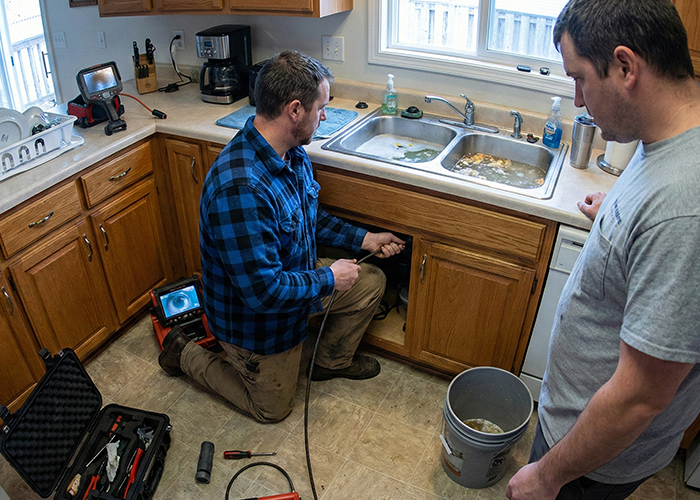
A clogged drain can seem like an annoyance until water starts coming up instead of going down. Kitchen sinks, shower drains, and laundry standpipes often give warning signs, such as slow flow, repeated gurgling, or recurring clogs. Hair, soap residue, grease, and sediment buildup are frequent culprits.
A specialist approach usually avoids harsh chemicals that can damage pipes and still fail to remove the full blockage. Instead, the focus shifts to clearing the line mechanically and restoring proper flow. For recurring clogs, the bigger question is why the line keeps catching debris.
What Professionals Look For
Pipe slope, partial collapses, venting issues, and buildup in older lines can turn ordinary clogs into repeat headaches. This is where the phrase common plumbing issues fits, since the symptoms may look familiar while the underlying cause stays hidden. A camera inspection can reveal a bad section of pipe or heavy scaling that needs a deeper fix.
Sump Pump Failures During Storms
A sump pump failure is often discovered when it is already too late, usually during heavy rain. Water can rise fast in basements and crawl spaces, and humidity can linger long after standing water is removed. Power outages, stuck floats, clogged discharge lines, and worn motors can all cause failure.
Specialists test the pump, float switch, and discharge route, then look for evidence of backflow or a frozen discharge line. A battery backup recommendation is common in areas with frequent storms. In some cases, a larger-capacity pump or improved drainage setup is the right long-term solution.
Why This Emergency Hits Hard
Foundation areas are vulnerable, and water can reach stored items, insulation, and mechanical equipment. Even when the water is removed quickly, drying and dehumidification steps matter, since damp air can cause secondary damage over time.
Frozen Pipes and Winter Thaws
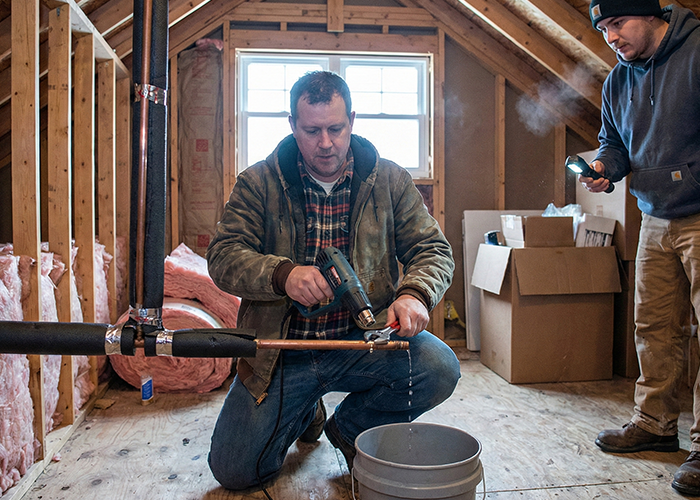
Frozen pipes can stay quiet until a thaw hits, then the leak appears suddenly. Pipes in exterior walls, attics, garages, and crawl spaces are most at risk. A small crack created by expanding ice can release a surprising amount of water once flow returns.
Specialists often start by confirming which lines are frozen and whether any cracking has already occurred. Controlled thawing is safer than open flames or extreme heat sources. After thawing, fittings and exposed sections are checked carefully, since weak joints can fail under normal pressure.
Repair and Prevention Go Together
Insulation upgrades, heat tape in approved locations, and sealing cold air leaks around pipe runs can reduce the odds of another freeze. During a winter season, these situations remain some of the most frequent common plumbing emergencies, especially in older homes with minimal wall insulation.
Hidden Leaks and Sudden Water Bills
Not every emergency arrives with visible flooding. A hidden leak behind a wall, under a slab, or in a ceiling can quietly cause rot, staining, and mold risk. A sudden spike in the water bill, a damp smell, or warm spots on flooring can be clues.
Specialists use pressure testing, leak detection tools, and targeted access to find the source with less guesswork. Once the leak is located, repair options depend on pipe material, accessibility, and how much damage has occurred around it. In slab situations, rerouting a line can sometimes be more practical than breaking large areas of concrete.
Why It Still Counts as an Emergency
Long-term moisture can weaken framing and invite mold growth. This is also one of those common plumbing problems that homeowners often underestimate, since the home still “works” while damage spreads in the background.
What Specialists Bring to the Job

A specialist’s value often shows up in the steps you do not see. Clear diagnosis prevents repeat calls, and proper repair methods protect the plumbing system long after the immediate panic ends. Tools like drain cameras, electronic leak detection, hydro-jetting equipment, and professional-grade pipe repair systems help create results that last.
Experience matters just as much as tools. A seasoned specialist can spot when an “easy” clog is actually a venting issue, or when a “small” leak points to failing pipe sections elsewhere. That perspective tends to reduce repeat emergencies and surprise expenses.
Communication That Helps Everyone
Good documentation and clear explanations are part of the job, especially for property managers and multi-unit buildings. Photos, repair notes, and prevention advice can make the next inspection easier. In many cases, a short maintenance plan is the difference between one service call and a pattern of recurring common plumbing emergencies.
How to Lower the Odds of a Repeat Call
Less stress usually comes from small habits and a little planning. Knowing where shutoffs are located, keeping drains clear of grease and debris, and staying alert to pressure changes can help. Regular maintenance matters even more in older properties, where pipes may be near the end of their expected life.
A specialist can also help identify risk areas during routine service, especially when a property has a history of backups or leaks. A preventive inspection may feel optional, yet it often costs far less than emergency cleanup and restoration.
Practical Prevention Moves
- A yearly water heater inspection can catch valve and connection problems early.
- Drain care in kitchens helps when grease is kept out of the line.
- Seasonal checks for exposed piping reduce freeze risk in colder regions.
After the Water Stops
Most common plumbing emergencies become manageable when the flow is controlled and the right repair plan is in place. A specialist response focuses on safety, accurate diagnosis, and a repair that holds up under daily use. Less panic tends to follow when the home has a basic plan and a trusted pro ready to step in.
Related Articles: