

Large-item disposal sounds simple until a sofa sits at the curb for three days and the emails start rolling in. A cleaner plan keeps your property looking sharp, protects residents, and prevents surprise fees. With the right timing and prep, large-item disposal becomes a routine task instead of a recurring headache.
Large-Item Disposal Basics for Bulk Trash
Large-item disposal usually means anything too big for a standard bin, or too awkward for a weekly route. Think couches, mattresses, broken tables, water heaters, and oversized boxes from a new appliance. In many communities, the item itself is not the only issue, since weight, size, and material can trigger different handling rules.
A simple definition helps residents make better choices. Bulk trash is often collected on a separate schedule, in a separate truck, or with extra labor. That extra work tends to come with limits, so one household’s “quick curb drop” can become the entire street’s problem.
More importantly, the wrong item in the wrong place can create real risk. Nails, splinters, exposed springs, and sharp metal edges turn walkways into hazard zones. That is why large-item disposal works best when it is treated like a small project, not a last-minute toss.
What Makes Bulk Trash Different?

Regular trash is built for speed. Bags go in a cart, the cart gets tipped, and the truck moves on. Large trash disposal slows the system, and many haulers respond by routing it separately from the normal route.
Volume also changes the impact. One bulky item can block a sidewalk, crowd a shared dumpster area, or force residents to leave bags outside the enclosure. After that, pests and litter show up fast, especially in warm weather.
Community expectations tend to be higher, too. A single item left in a visible spot can make the whole property feel neglected. The goal is consistency, since a predictable process is easier for residents to follow and easier for managers to enforce.
Rules That Usually Trip People Up
Local rules often focus on timing, placement, and what is allowed. Curb set-out windows may be limited to a specific evening, a specific morning, or a specific day. In HOA communities, an additional layer may exist through governing documents or house rules.
Material limits cause the most confusion. Large garbage disposal may be allowed for furniture, but denied for construction debris, landscaping waste, or renovation materials. Paint, chemicals, batteries, and certain electronics are frequently handled through special collection programs, not standard pickup.
Condition matters as well. Mattresses may require wrapping in some areas, and appliances may require proof of proper handling for refrigerants. A quick call to the hauler or city line avoids a “rejected at the curb” situation that leaves the item sitting out longer than anyone wants.
Scheduling That Respects Neighbours and Haulers
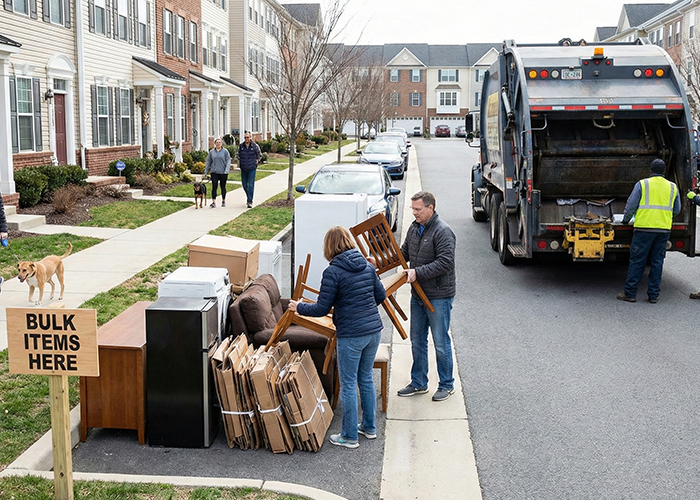
A strong schedule reduces clutter and cuts complaints. The best results usually come from choosing a consistent rhythm, such as a monthly window, a quarterly event, or an on-call day that requires approval. That approach feels fair to residents and keeps the property from turning into a drop zone.
Bulky trash pickup works better when the set-out rules are short and specific. A clear time range, a clear location, and a clear limit per household prevents a flood of items from landing at once. The pickup itself goes faster when crews can see everything and access it safely.
Communication deserves the same discipline. Reminder emails help, but signage near the trash enclosure and a quick note on move-in materials can do just as much. After a few cycles, the community learns the pattern, and the workload becomes lighter.
Prep Work That Prevents Damage and Complaints
Good prep protects the property as much as it protects the schedule. Items dragged across concrete can gouge walkways, and sharp corners can chew up painted walls near gates or enclosures. A dolly, furniture sliders, and a designated route reduce that risk.
Size control helps, too. Breakdowns should be kept simple, since tiny debris creates litter, while massive pieces can be too heavy to lift safely. Cardboard should be flattened and bundled, and loose fill should be bagged so it does not blow across the parking lot.
Cleanliness is a quiet dealbreaker. Food residue in a mini fridge, damp cushions, or items exposed to rain can create odors fast. When something is already soaked or infested, disposal is usually the safer path than donation, even if the item still “looks fine.”
Donation and Reuse First When It Makes Sense
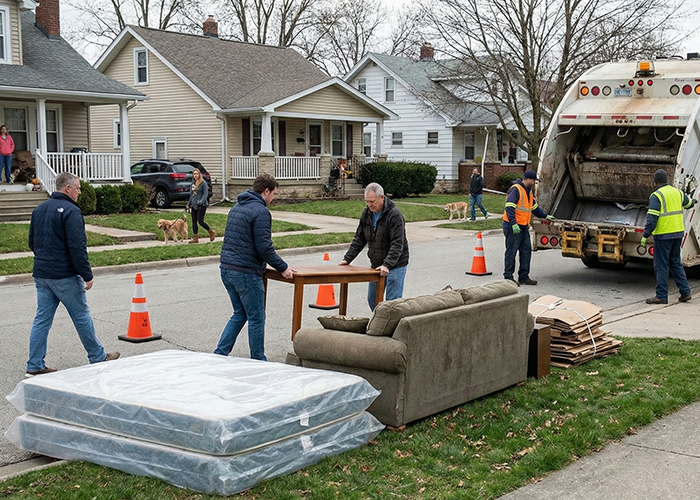
Donation can be a win when the item is clean, intact, and easy to transport. That is especially true for solid wood furniture, gently used chairs, small tables, and working appliances that still have life left. A quick photo review and a firm condition standard keeps the process realistic.
Local ReStores, furniture banks, and certain charities may accept larger items, and some offer pickup in select areas. Acceptance rules vary, so a short list of approved drop-off and pickup options saves residents from wasting time with rejected donations.
Bed bug risk deserves a direct mention. Upholstered items from unknown sources should be treated carefully, and anything with signs of pests should skip the donation route. A community that stays strict on this point avoids a problem that is far more expensive than the item being tossed.
Recycling and Special Handling for Tricky Items
Some “bulk” items are really special waste in disguise. Refrigerators, freezers, and air conditioners often include refrigerants and other components that require proper handling. Electronics can contain materials that should be processed through an e-waste program instead of tossed into a general pile.
Batteries are another common issue, especially with today’s cordless everything. A loose battery in a trash load can create heat and damage equipment, which is why dedicated battery drop-offs are worth promoting. Residents tend to cooperate when the option is convenient and clearly marked.
A separate lane for hazardous household products helps keep the main process clean. Paint, pesticides, pool chemicals, and certain cleaners typically belong in a household hazardous waste program. When those items are filtered out early, the rest of the large-item disposal workflow runs smoother and safer.
Safety and Liability on Shared Property
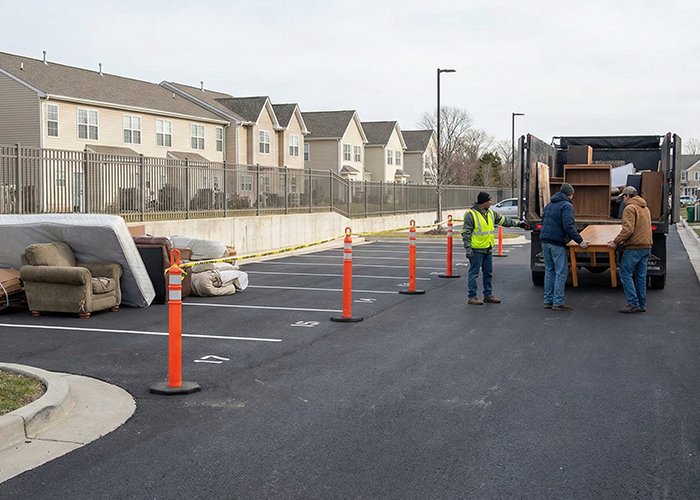
Trip hazards are the most visible risk, but they are not the only one. Sharp edges, unstable stacks, and blocked fire lanes create problems that go beyond appearance. A designated staging area with enough space for clear pathways reduces the chance of injuries.
Liability also shows up through property damage. Scratched gates, cracked curbs, and torn fencing often come from rushed set-outs. Clear rules about where items can be placed, plus a limit on how long they can sit, keeps the environment controlled.
Documentation helps when disputes happen. Photos of set-out areas, notes on rejected items, and a quick log of pickup dates create a simple record. That record supports enforcement when needed, and it keeps the tone factual instead of emotional.
When a Maintenance Specialist Company Takes the Lead
A maintenance specialist company can make the process feel effortless for the community. Vendor coordination, site prep, staging guidance, and day-of supervision reduce the burden on boards and managers. The result is fewer complaints and fewer surprise problems at pickup time.
Resident compliance improves when instructions are consistent and easy to follow. A single flyer, a single staging map, and a single point of contact remove guesswork. In addition, problem items can be redirected early, before they end up in the wrong pile.
Ongoing support matters just as much as a one-time cleanup. Seasonal move-outs, renovation cycles, and storm damage can spike bulk waste without warning. With a standing plan, large-item disposal stays controlled even during the busy months.
Curbside Done Right
Large-item disposal gets easier when the rules are simple, the schedule is consistent, and the staging area stays safe. A cleaner property and a smoother pickup day usually follow from small choices made early. When the next bulky item shows up, the process is already there, ready to work.
Related Articles: