
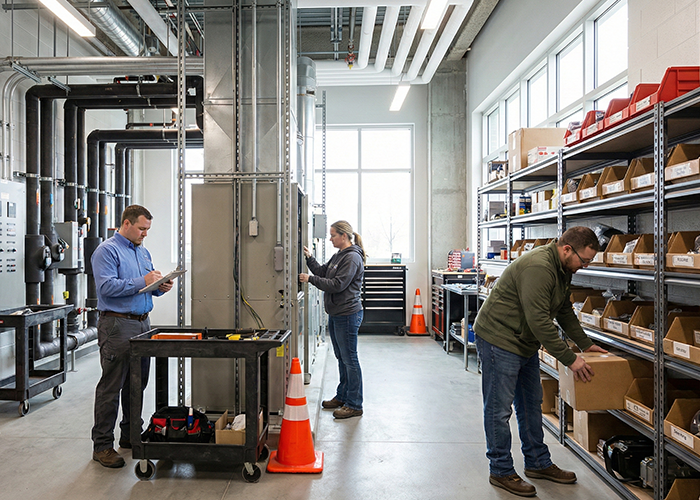
Maintenance work piles up faster than most teams expect, especially when daily requests compete with long-term care. The good news is that a backlog is not a life sentence, and the right habits can help you reduce maintenance backlogs without burning out your staff.
Reduce Maintenance Backlogs at the Source
A backlog is not just “a long list.” It is a signal that work is entering your system faster than it is leaving, or that the work is not being scoped well. Real progress shows up when the queue shrinks and stays healthy, not when people simply sprint for a week.
A realistic target helps, too. Many teams track backlog in “weeks,” based on estimated labor hours compared to crew capacity. A steady range gives breathing room for planning while keeping risk under control.
Backlog Clarity Starts With a Clean List
A messy backlog creates fake pressure. Duplicate tickets, vague notes, and “someday” requests make it hard to see what truly matters. A quick audit often reveals that a chunk of the list is not ready for action.
A simple cleanup pass usually focuses on three outcomes: delete what is no longer needed, clarify what is unclear, and separate ready work from work that still needs planning. That last step matters because “ready” work is what scheduling can actually move.
Intake Rules That Stop the Pileup

The fastest way to lose control is allowing every request to enter the queue in a different format. A consistent intake process gives your team the context needed to act, instead of chasing details later.
A tight request form can stay short while still being useful. These fields tend to make the biggest difference:
- Asset or area (specific location beats “building issue”)
- What is happening (symptom, not a guess at the cause)
- When it started and how often it happens
- Any safety, access, or shutdown limits
Clear intake reduces rework, and that alone can help reduce maintenance backlogs over the next few weeks.
Triage Without the Drama
A calm triage system prevents the “everything is urgent” spiral. Priority should be tied to consequence, not volume or whoever asks the loudest. Risk-based thinking keeps the team aligned, even when pressure rises.
Most facilities find it easier when categories are plain and consistent. Safety, compliance, critical operations, and active damage typically rise to the top. Cosmetic items and convenience requests can still be handled, but they should not crowd out work that protects people or prevents failures.
Planning That Saves Hours Later
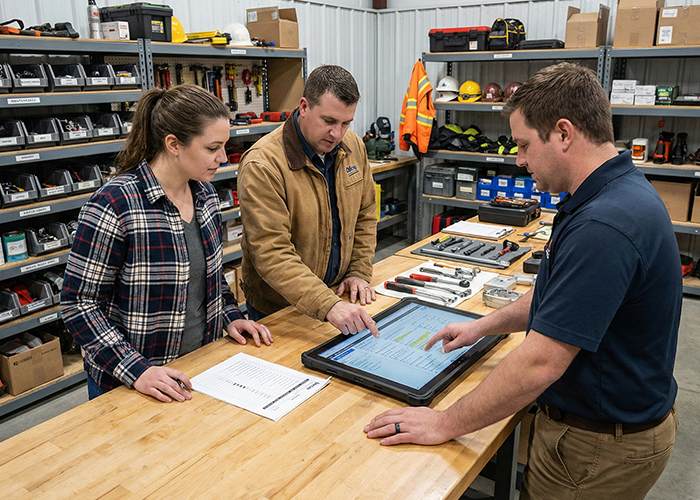
Backlogs grow when technicians arrive at a job and discover missing parts, unclear scope, or no access plan. That kind of surprise turns one hour of work into three. Planning prevents those losses by setting jobs up for success before a wrench comes out.
Job plans do not need to be fancy. A basic plan can include task steps, estimated time, parts, tools, and any lockout or access notes. Over time, repeat jobs can be turned into standard plans that reduce guesswork and speed up closeouts.
Scheduling That Holds Its Shape
A schedule is only useful when it is protected. Constant reshuffling trains everyone to ignore the plan, which leads to poor handoffs and half-finished work. A weekly schedule with daily adjustments usually creates more order than a daily free-for-all.
A small “reactive window” helps as well. Space in the week can be reserved for true surprises, while the rest stays focused on planned work. Fewer last-minute swaps usually means fewer maintenance delays, and that keeps both technicians and customers in a better rhythm.
A Smarter Push on Preventive Work
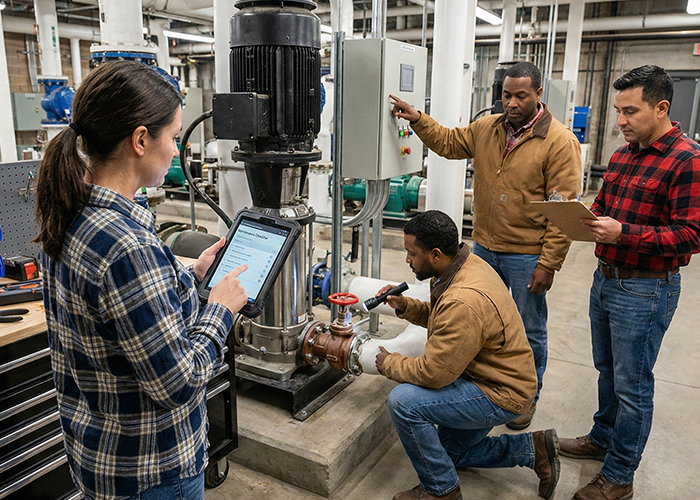
Backlog reduction fails when the team clears old tickets but keeps creating new ones at the same rate. Preventive maintenance changes that math by reducing repeat failures and catching issues while they are still small.
Better balance often starts with a simple review: which assets generate the most reactive calls, and why. PM tasks can then be tightened to match real failure patterns, instead of running on a calendar that no longer fits the building. Less repeat work creates the capacity needed to reduce maintenance backlogs for good.
Parts and Materials That Do Not Slow You Down
Jobs stall when parts are missing, approvals drag on, or vendor quotes take weeks. Those stalls turn your backlog into a parking lot. A small amount of structure around materials can remove a lot of friction.
Min-max levels for common parts, a clear reorder trigger, and basic kitting for repeat repairs help technicians stay in motion. Consistent labeling and storage also matter more than people think, because “finding the part” is still labor time.
Work Orders That Close Cleanly
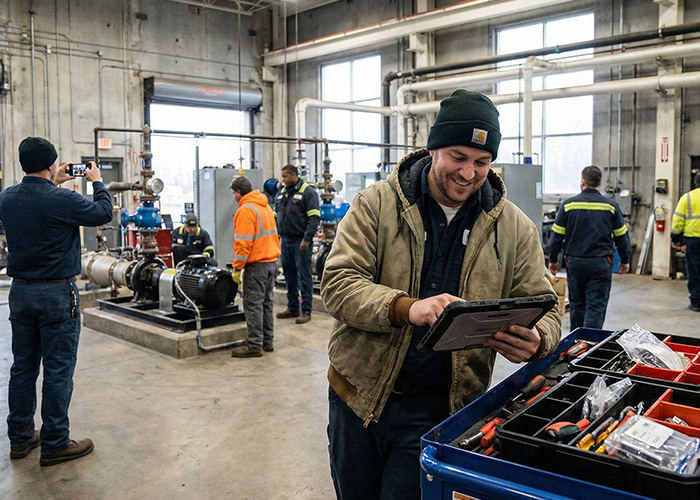
A backlog stays high when work is completed but not closed, or when closeouts lack detail and trigger repeat calls. Clean closeouts protect your time later because they reduce arguments, confusion, and duplicate requests.
Good closeout notes usually answer three questions: what was found, what was done, and what should be watched next. Photos help when they are practical, especially in shared spaces and high-traffic areas. Better records today make it easier to plan tomorrow.
Using Contractors Without Losing Control
Extra hands can help clear a backlog, but only when contractor work is chosen on purpose. A random mix of small tasks often leads to extra coordination time and uneven quality. Better results come from bundling similar work into clear scopes.
Great contractor packages are specific. Access rules, working hours, materials responsibility, and acceptance standards should be written down. Your team stays focused on core work while contractors handle defined chunks that move the needle.
Metrics That Keep You Honest

A team cannot manage what it cannot see. Simple metrics create focus and reduce the emotional noise that often surrounds backlogs. Trends matter more than one bad week.
A few indicators tend to be enough:
- Backlog size in weeks (capacity vs estimated hours)
- Ready work vs unplanned work (how much is actually schedulable)
- Schedule compliance (how often planned work gets done as planned)
- Reactive work share (how much time is spent on surprises)
Consistent tracking makes it easier to spot bottlenecks and adjust before the backlog takes over again.
Small Habits That Protect the Gains
Backlog reduction is easier when operations and maintenance work as one team. Quick weekly check-ins can prevent conflicts about access, shutdown windows, and priorities. Shared expectations keep “urgent” from becoming a daily label.
A short review also helps maintain momentum. Wins should be visible, and repeat failures should be flagged early. That kind of follow-through is often what separates a temporary cleanup from a lasting ability to reduce maintenance backlogs.
Backlog Breathing Room
A healthier backlog comes from clearer intake, better planning, and a schedule that does not collapse under pressure. With those basics in place, your team can reduce maintenance backlogs now and avoid recreating the same pile next month.
Related Articles: