

A foreclosure cleanout is often the first step toward bringing a distressed property back to life. After a foreclosure, homes are frequently left filled with abandoned belongings, debris, or even hazardous materials.
Professional foreclosure cleanout services help lenders, property managers, and real estate investors quickly restore a property so it can move forward to the next stage of its life.
What Is a Foreclosure Cleanout?
A foreclosure cleanout refers to the removal of personal belongings, trash, furniture, and debris left behind after a property has gone through foreclosure. The goal is to return the property to a safe, empty condition so it can be inspected, repaired, and eventually sold or rented again.
When homeowners leave during foreclosure, they often cannot take everything with them. Some properties are left with full rooms of furniture. Others contain appliances, clothing, yard debris, or even construction waste. In many cases, the property may have been vacant for months before the cleanout process begins.
Foreclosure cleanouts are usually performed for banks, lenders, asset managers, real estate agents, and property preservation companies. These professionals need the property cleared quickly so they can move forward with repairs, marketing, or resale.
Why Foreclosure Cleanouts Matter for Property Value
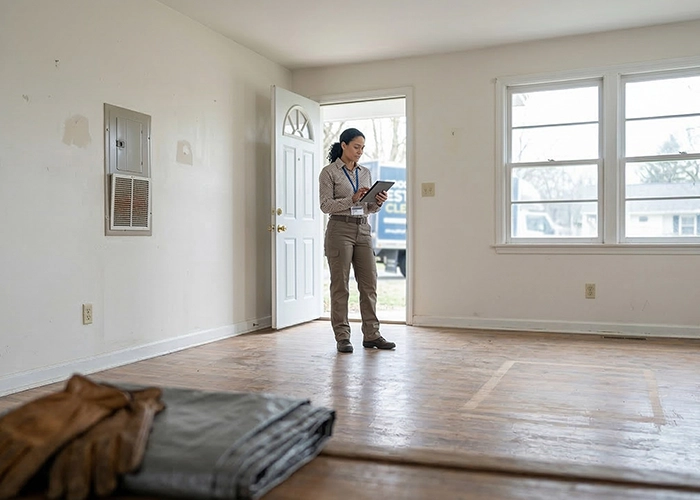
A vacant property filled with debris sends the wrong signal to buyers and neighbors. Even if the structure itself is in good condition, clutter and leftover items make the home look neglected.
A professional foreclosure cleanout helps restore the property’s appearance and creates a clean slate for renovations or staging. Once the space is cleared, inspectors can properly evaluate the home. Contractors can begin repairs without obstacles, and real estate professionals can photograph the property for listing.
Cleanouts also protect property value in another important way. Trash, food waste, or organic materials left inside a home can attract pests and rodents. Moisture trapped under debris may also contribute to mold growth. Removing these materials early helps prevent additional damage and costly repairs.
Common Items Removed During a Foreclosure Cleanout
Every foreclosure property is different. Some homes only require basic trash removal, while others need full-scale clearing of entire rooms and outdoor areas.
Typical foreclosure cleanouts include removing the following:
- Furniture such as couches, beds, and dressers
- Appliances left behind by previous occupants
- Clothing, books, and personal items
- Household trash and bagged waste
- Broken fixtures or damaged materials
- Yard debris, fencing, or outdoor clutter
- Construction or renovation waste
In some cases, crews may also remove items from garages, attics, sheds, or basements. These spaces often hold years of stored belongings that need to be sorted and removed.
Responsible cleanout companies also separate recyclable materials whenever possible. Metals, electronics, and certain appliances may be diverted from landfills through proper recycling channels.
The Foreclosure Cleanout Process

A successful foreclosure cleanout follows a structured process designed to protect both the property and the client’s investment. While each job varies slightly, most projects move through several key stages.
Property Assessment
The process usually begins with a walkthrough of the property. This inspection helps determine the volume of debris, identify potential hazards, and estimate the time and equipment required.
Crews also look for items that may need special handling. Certain materials, such as paint, chemicals, or electronic waste, require proper disposal methods.
Sorting and Documentation
During the cleanout, teams may separate personal belongings, recyclable materials, and trash. Some asset managers require documentation of removed items, particularly when valuables or electronics are involved.
Photographs are often taken before and after the cleanout. These records provide transparency and help confirm that the property has been cleared properly.
Removal and Disposal
The next step involves physically removing the items from the property. Depending on the size of the job, this may require trucks, dumpsters, or specialized hauling equipment.
Professional crews work efficiently to clear each room while protecting walls, floors, and fixtures. Items are then transported to approved disposal or recycling facilities.
Final Cleaning
Once the property has been emptied, crews often perform a light cleaning of the space. This may include sweeping floors, removing loose debris, and wiping down surfaces.
The goal is not deep sanitation, but rather preparing the property so inspectors, contractors, or real estate agents can enter safely and begin the next stage of work.
Safety and Compliance Considerations
Foreclosure properties can present unexpected safety challenges. Some homes may contain broken glass, sharp objects, or unstable furniture. Others may have mold, pest infestations, or biohazards that require careful handling.
Professional foreclosure cleanout crews are trained to work safely in these environments. They use protective equipment and follow established procedures for handling hazardous materials.
Compliance with local regulations is also important. Disposal rules vary by location, especially for appliances, electronics, and chemicals. Reputable service providers understand these regulations and ensure materials are handled legally and responsibly.
Who Typically Needs Foreclosure Cleanout Services?

Several professionals rely on foreclosure cleanout services as part of their property management process. These services help move properties from foreclosure status toward resale or redevelopment.
Common clients include:
- Banks and mortgage lenders managing foreclosed homes
- Asset management companies overseeing REO properties
- Property preservation firms responsible for vacant homes
- Real estate agents preparing listings for sale
- Real estate investors purchasing distressed properties
Each group shares the same goal. They need the property cleared quickly and professionally so it can return to the market.
Challenges That Often Appear in Foreclosure Properties
Foreclosure cleanouts rarely follow a predictable script. Many properties present unique challenges that require experience and flexibility.
One common issue is the volume of items left behind. Some homes contain years of accumulated belongings that must be sorted and removed room by room. Garages and basements are especially likely to contain heavy or bulky materials.
Another challenge involves damage to the property itself. Broken windows, water leaks, or collapsed drywall can complicate the cleanout process. Crews must work carefully to avoid worsening structural issues.
Occasionally, properties also contain sensitive materials such as documents, medication, or financial records. These items must be handled responsibly and disposed of in accordance with privacy standards.
Benefits of Hiring a Professional Foreclosure Cleanout Company

While some property owners attempt to manage cleanouts on their own, professional services offer several advantages.
First, experienced teams can complete the job far more quickly. What might take several days for an individual can often be finished in a single day by a trained crew with the right equipment.
Second, professionals understand how to handle disposal responsibly. This prevents legal issues and ensures materials are sent to the correct facilities.
Third, a professional cleanout reduces the physical strain and safety risks associated with lifting heavy objects or handling unknown materials. Property managers and lenders can focus on their core responsibilities while specialists handle the cleanup.
Preparing a Property After a Foreclosure Cleanout
Once the cleanout has been completed, the property is ready for the next phase of recovery. At this stage, many owners schedule additional services to prepare the home for sale.
Common follow-up steps may include:
- Property inspections to identify structural issues
- Minor repairs or renovations
- Landscaping or exterior cleanup
- Interior cleaning and sanitation
- Professional staging for listing photos
These steps help transform the property from a neglected space into a market-ready home.
Restoring Value After a Foreclosure
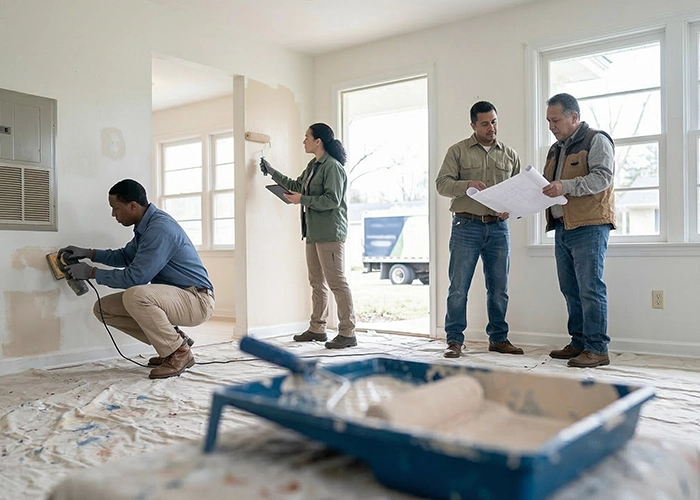
A foreclosure property often represents both a challenge and an opportunity. While the home may have suffered neglect, clearing it properly opens the door for restoration and new ownership.
A thorough foreclosure cleanout removes the physical barriers that prevent progress. Once the debris is gone, investors and property managers can focus on repairs, improvements, and marketing.
Communities benefit as well. Vacant homes that are cleaned and restored help stabilize neighborhoods and prevent further decline.
Moving From Vacancy to Opportunity
A foreclosure cleanout marks the turning point for many distressed properties. Clearing out what was left behind allows the property to move forward toward repair, resale, or redevelopment.
For lenders, investors, and property managers, professional cleanout services provide a reliable way to reclaim value and prepare properties for the next chapter.
If you are managing a foreclosed or vacant property, professional cleanout services can help you move forward quickly and safely.
Our experienced team specializes in foreclosure cleanouts, debris removal, and property preparation. Contact us today to learn how we can help restore your property and prepare it for the market.
Related Articles