
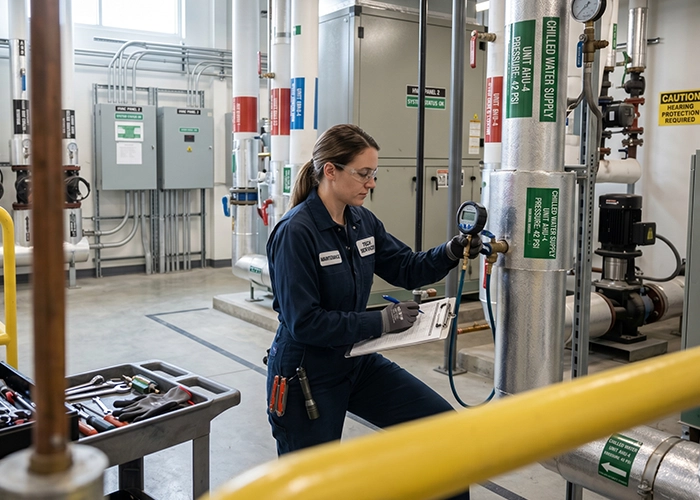
Preventive maintenance vs reactive repairs is a decision that shapes how facilities perform, how much they cost to run, and how often problems disrupt operations. While reactive fixes may seem convenient, the long-term financial impact often tells a different story. Understanding how these approaches compare helps facility managers make smarter, more cost-effective decisions.
Understanding Preventive Maintenance vs Reactive Repairs
Preventive maintenance vs reactive repairs comes down to timing and intent. Preventive maintenance focuses on servicing equipment before problems occur, while reactive repairs address issues only after something breaks.
In a preventive approach, maintenance is scheduled and consistent. Equipment is inspected, cleaned, and adjusted at regular intervals. This reduces the likelihood of sudden failures and keeps systems running smoothly.
Reactive maintenance takes a different path. Work is done only when something stops working. While this may seem efficient in the short term, it often leads to higher costs and more disruption over time.
What Preventive Maintenance Really Looks Like
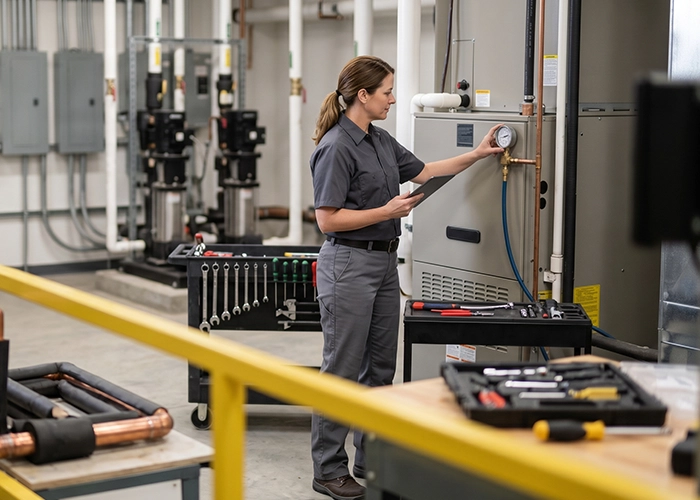
Preventive maintenance is not just routine work. It is a strategy built around consistency and foresight.
A well-planned program typically includes the following:
- Regular inspections of key systems such as HVAC, plumbing, and electrical
- Scheduled servicing based on manufacturer recommendations
- Early detection of wear, corrosion, or inefficiencies
- Documentation to track performance and maintenance history
This approach keeps small issues from becoming larger, more expensive problems. It also creates a predictable maintenance schedule, which makes budgeting easier.
Facilities that rely on preventive maintenance often see fewer emergencies. Equipment tends to last longer, and operations stay more stable.
How Reactive Repairs Impact Facility Operations
Reactive repairs often feel like the simplest option. There is no upfront planning, and costs only occur when something breaks. However, the hidden impact is where challenges begin.
When a system fails unexpectedly, it disrupts operations. Employees may be unable to work efficiently, and customers can be affected. These interruptions carry a cost that goes beyond the repair itself.
Reactive maintenance also tends to be more expensive per incident. Emergency service calls, expedited parts, and overtime labor quickly add up. Over time, these costs can exceed what a preventive program would have required.
Another issue is asset wear. Equipment that is not maintained regularly often degrades faster. This leads to more frequent breakdowns and earlier replacement.
Direct Cost Comparison Between the Two Approaches

When comparing preventive maintenance vs reactive repairs, the cost difference becomes clearer when broken into categories.
1. Labor Costs
Preventive maintenance spreads labor over time. Tasks are planned and completed during normal working hours. This keeps labor costs steady and predictable.
Reactive repairs often require urgent attention. Technicians may need to work overtime or respond after hours. These situations increase labor expenses significantly.
2. Parts and Materials
Preventive maintenance allows parts to be replaced before failure. This often means lower-cost components and standard ordering timelines.
Reactive repairs usually involve replacing failed components. In many cases, damage spreads to other parts of the system. Emergency sourcing can also drive up costs.
3. Downtime Costs
Downtime is one of the most expensive factors in facility operations. Preventive maintenance reduces unplanned downtime by keeping systems in good condition.
Reactive maintenance increases the risk of sudden shutdowns. These interruptions can halt production, delay services, and affect revenue.
4. Equipment Lifespan
Equipment that receives regular maintenance tends to last longer. Preventive care reduces strain and helps systems operate as intended.
Reactive approaches allow wear to build over time. This often shortens the lifespan of assets, leading to earlier replacement costs.
Hidden Costs That Are Often Overlooked
Not all costs appear on a maintenance invoice. Some of the most significant impacts are indirect.
- Safety Risks
Equipment failures can create hazardous conditions. Slips, electrical issues, or mechanical failures may lead to injuries. - Compliance Issues
Many industries require regular maintenance to meet safety and operational standards. Missed maintenance can result in fines or penalties. - Reputation Impact
A facility that experiences frequent breakdowns can lose credibility. Clients and tenants notice when systems are unreliable. - Energy Inefficiency
Poorly maintained equipment often consumes more energy. This increases utility costs over time.
These hidden costs make reactive maintenance more expensive than it may initially appear.
When Reactive Maintenance Still Makes Sense
Reactive maintenance is not always the wrong choice. In some situations, it can be appropriate.
- Non-critical assets that do not affect operations
- Equipment with low replacement costs
- Short-term or temporary facilities
In these cases, the cost of preventive maintenance may outweigh the benefits. The key is to apply this approach selectively, not as a default strategy.
Building a Balanced Maintenance Strategy
Many facilities benefit from a hybrid approach. This combines the strengths of both preventive and reactive maintenance.
A balanced strategy often includes:
- Preventive maintenance for critical systems
- Condition-based monitoring for high-value equipment
- Reactive maintenance for low-risk assets
This approach allows facility managers to control costs while maintaining reliability.
Key Benefits of Preventive Maintenance
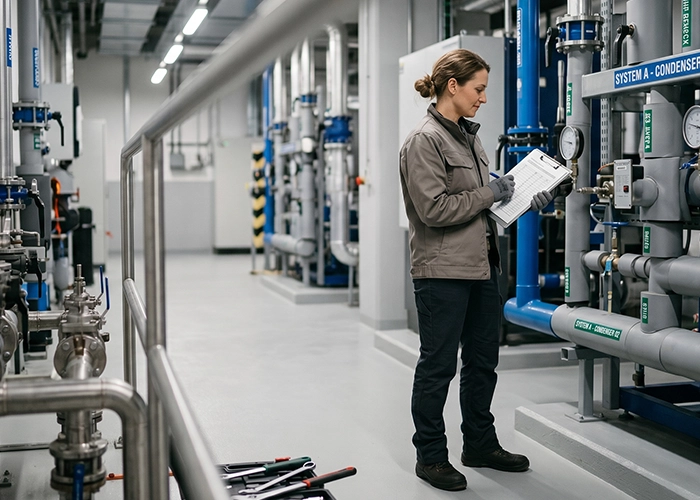
Facilities that invest in preventive maintenance often see measurable improvements.
- Fewer unexpected breakdowns
- More consistent operational performance
- Lower long-term maintenance costs
- Improved safety and compliance
- Better resource planning
These benefits create a more stable and predictable environment for both staff and operations.
Why Cost Comparison Matters More Than Ever
Rising labor costs, supply chain challenges, and aging infrastructure make maintenance decisions more critical. Facilities cannot afford to rely on outdated strategies.
Preventive maintenance offers a way to stay ahead of these challenges. It provides structure and reduces uncertainty, which is essential in today’s environment.
Reactive maintenance, while sometimes necessary, should not be the primary approach. The long-term financial impact is often too significant to ignore.
Making the Right Decision for Your Facility
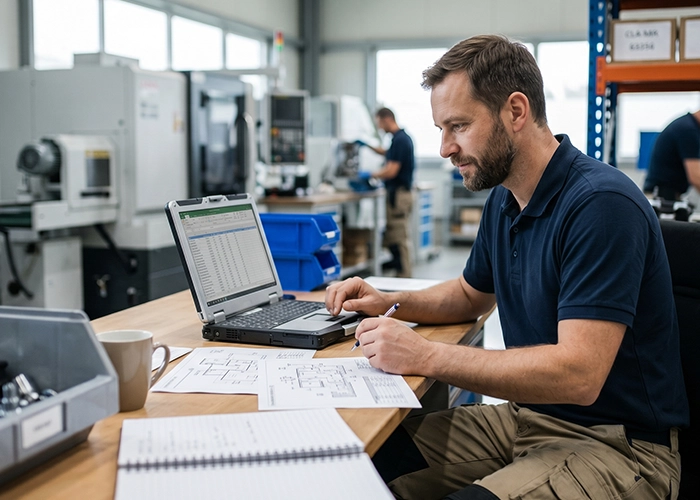
Choosing between preventive maintenance vs reactive repairs is not just about immediate costs. It is about long-term value.
Facility managers need to consider how maintenance decisions affect operations, safety, and overall performance. A proactive approach often delivers better results across all areas.
By evaluating both direct and hidden costs, it becomes easier to see where each strategy fits. The goal is not to eliminate reactive repairs entirely but to reduce reliance on them.
A Smarter Way to Manage Maintenance Costs
Preventive maintenance vs reactive repairs is ultimately a question of control. Preventive strategies put you in control of your facility, while reactive approaches leave you responding to problems.
Facilities that prioritize proactive care tend to operate more efficiently and cost-effectively. Over time, the savings and stability make a clear difference.
Keep Your Facility Running Ahead, Not Behind
The difference between staying ahead and falling behind often comes down to maintenance strategy. A proactive approach keeps your systems reliable and your costs predictable.
If you are ready to reduce downtime and take control of your facility’s performance, now is the time to rethink your maintenance plan. Call us at 704.405.6000 or contact us online to schedule a consultation and discover a smarter, more reliable approach to facility management.
Related Articles: