
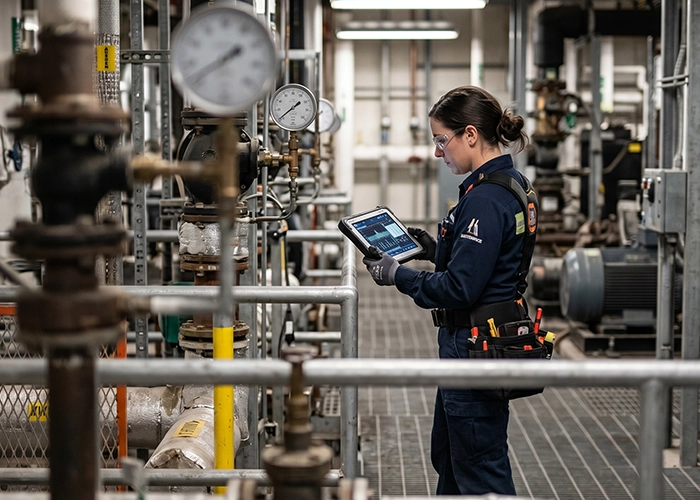
Data-driven facility maintenance is changing how buildings are managed, maintained, and improved over time. Instead of reacting to problems, teams are using real insights to make smarter decisions before issues even begin.
When maintenance is guided by data, the results are more predictable, costs are easier to control, and operations run with fewer disruptions.
What Data Means in a Facility Maintenance Setting
In facility maintenance, data is not just numbers on a screen. It represents the performance and condition of every system within a building. From HVAC runtime hours to work order history, each data point tells part of the story.
Modern facilities generate a steady flow of information through sensors, management systems, and service records. When this information is organized and reviewed consistently, it becomes a powerful tool for decision making.
Understanding what to track is just as important as collecting the data itself. Common data points that support maintenance decisions include:
- Equipment runtime and usage levels
- Frequency of repairs and service calls
- Energy consumption patterns
- Work order completion times
- Asset age and condition history
When these elements are combined, they create a reliable foundation for improving how maintenance is planned and executed.
Moving From Reactive Maintenance to Predictive Thinking
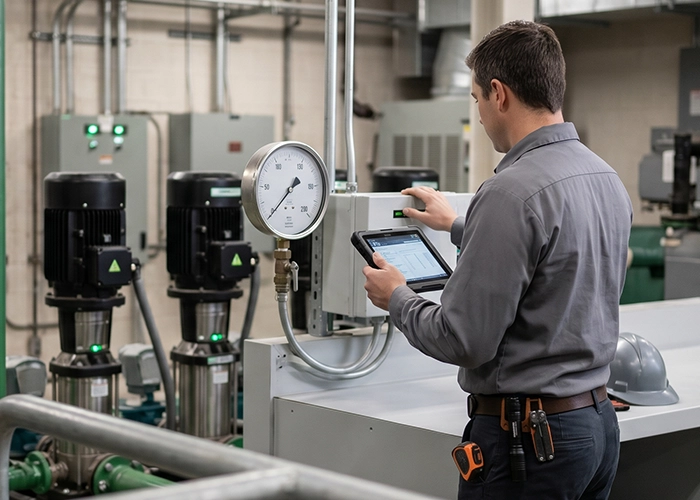
Many facilities still operate on a reactive model, where work begins only after something breaks. While this may seem manageable in the short term, it often leads to higher costs and unexpected downtime.
Data-driven facility maintenance introduces a different way of thinking. By analyzing historical trends and real-time performance, maintenance teams can anticipate issues before they escalate.
This shift does not happen overnight, but the impact becomes clear over time. Equipment lasts longer, emergency repairs decrease, and teams spend less time responding to urgent issues. Instead, their focus shifts toward keeping systems running consistently.
The Role of Technology in Data Collection and Analysis
Technology plays a central role in making data-driven facility maintenance possible. Without the right tools, collecting and analyzing data would be time-consuming and inconsistent.
Today’s facility management platforms bring multiple data sources into one place. This makes it easier to track performance, generate reports, and identify trends without relying on manual processes.
Several technologies support this approach:
- Computerized Maintenance Management Systems (CMMS)
These systems store work orders, asset details, and service history, making it easier to track maintenance activity over time. - Building Management Systems (BMS)
BMS platforms monitor systems like HVAC, lighting, and energy usage in real time, offering insights into performance and efficiency. - IoT Sensors
Sensors provide continuous data on temperature, vibration, and system conditions, helping detect early signs of wear or failure.
When these technologies work together, they create a connected environment where decisions are supported by accurate and timely information.
How Data Reduces Maintenance Costs Over Time
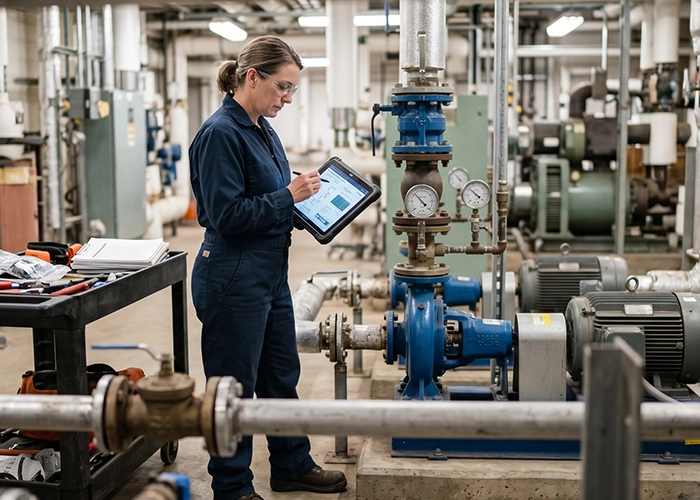
Cost control is one of the most noticeable benefits of data-driven facility maintenance. When maintenance is planned based on actual conditions, resources are used more efficiently.
Unnecessary repairs can be reduced because systems are serviced only when needed. At the same time, major breakdowns are avoided because early warning signs are identified before damage occurs.
Over time, this leads to:
- Lower emergency repair costs
- Better allocation of labor and materials
- Extended equipment lifespan
- More predictable budgeting
Instead of reacting to costly failures, facilities can operate with a clearer understanding of where and when to invest in maintenance.
Improving Asset Performance and Longevity
Every piece of equipment within a facility has a lifecycle. Without proper tracking, it becomes difficult to know when maintenance is needed or when replacement should be considered.
Data-driven facility maintenance helps fill that gap. By monitoring performance over time, facility managers can see how assets are aging and how well they are functioning.
This allows for more informed decisions about repairs, upgrades, and replacements. Equipment is maintained at the right intervals, which helps prevent unnecessary strain and extends its useful life.
In the long run, this not only protects the investment in equipment but also ensures consistent performance across the facility.
Enhancing Efficiency Across Daily Operations
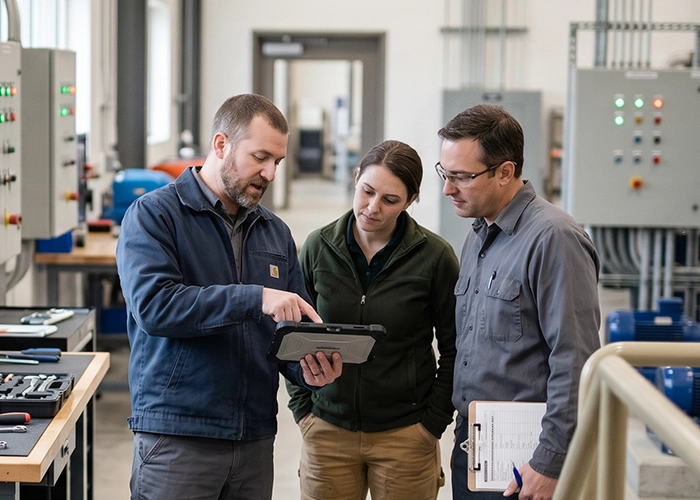
Efficiency is not just about working faster. It is about working smarter with the resources available. Data-driven facility maintenance supports this by removing uncertainty from the process.
When teams have access to clear data, they can prioritize tasks more effectively. Work orders can be scheduled based on urgency and impact rather than guesswork.
This leads to smoother workflows and better coordination between maintenance staff, vendors, and management. Over time, operations become more organized and less reactive.
Strengthening Compliance and Risk Management
Facilities must meet a range of safety and regulatory requirements. Without proper tracking, it can be difficult to stay compliant or prove that standards are being met.
Data-driven facility maintenance provides a clear record of all maintenance activities. Inspections, repairs, and service schedules can be documented and easily accessed when needed.
This level of transparency reduces risk and supports compliance efforts. It also helps identify potential safety issues before they become serious problems, creating a safer environment for everyone involved.
Building a Maintenance Strategy That Evolves Over Time

A strong maintenance strategy is not static. It should evolve as new data becomes available and as facility needs change.
Data-driven facility maintenance supports continuous improvement by providing ongoing insights into performance. As trends emerge, strategies can be adjusted to reflect what is actually happening within the facility.
This creates a cycle of improvement where each decision is informed by past results. Over time, maintenance becomes more precise, more efficient, and more aligned with overall operational goals.
Common Challenges When Adopting a Data-Driven Approach
While the benefits are clear, adopting data-driven facility maintenance does come with challenges. Some organizations struggle with collecting accurate data or integrating multiple systems into one platform.
There can also be a learning curve when teams transition from traditional methods to data-based decision making. Staff may need training to understand how to interpret and apply the information effectively.
Despite these challenges, the long-term advantages often outweigh the initial effort. With the right approach, these obstacles can be addressed and the transition can be managed successfully.
Practical Steps to Get Started With Data-Driven Facility Maintenance

For facilities looking to move in this direction, starting small can make the process more manageable. The goal is to build a foundation that can grow over time.
Key steps include:
- Identify the most critical assets within the facility
- Begin tracking basic performance and maintenance data
- Implement a CMMS or similar system to organize information
- Train staff on how to use data in decision making
- Review and adjust maintenance strategies regularly
By taking a gradual approach, facilities can begin to see the benefits without becoming overwhelmed.
Why Data-Driven Maintenance Is Becoming the Standard
As facilities become more complex, traditional maintenance approaches are becoming less effective. The need for efficiency, cost control, and reliability continues to grow.
Data-driven facility maintenance meets these demands by providing a clearer, more accurate way to manage operations. It allows organizations to stay ahead of issues rather than constantly responding to them.
This shift is not just a trend. It reflects a broader movement toward smarter, more informed decision making across all aspects of facility management.
Smarter Maintenance Starts With Better Data
When data is used effectively, facilities operate more smoothly, teams work more efficiently, and investments are better protected.
Partner with a team that understands how to turn insights into real results. Call us at 704.405.6000 or contact us online to start making decisions that save time, reduce costs, and improve reliability today.
Related Articles: