
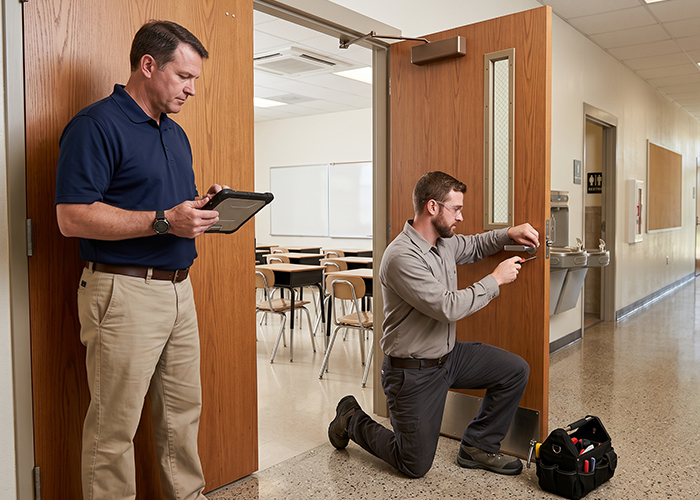
The first day of school brings students, teachers, and staff back into buildings that may have been quiet for weeks.
Why Back-to-School Maintenance Matters
A thorough back-to-school maintenance plan helps facility teams catch problems early, create a safer campus, and start the year with fewer disruptions.
Summer break gives schools a valuable chance to complete repairs without working around full classrooms and crowded hallways. Still, that window can close quickly when projects, deep cleaning, deliveries, and staff training compete for attention.
A clear maintenance plan helps the team focus on the work that affects daily school operations. It also makes it easier to assign tasks, track progress, and confirm that each part of the campus is ready.
Good preparation can reduce emergency work orders after students return. A small leak, loose handrail, or worn door closer may seem minor in July, but it can become a much larger problem once the building is busy.
Start With a Full Campus Walkthrough

A detailed walkthrough should be one of the first steps in the back-to-school process. Facility managers can use it to compare current conditions with records from the previous school year.
Walk through the campus as a student, parent, teacher, and visitor would. Begin at the property entrance, continue through parking areas and walkways, and then inspect classrooms, offices, shared spaces, and outdoor facilities.
Document each concern with its location, level of urgency, and the person responsible for handling it. Photos can provide useful context, especially when work must be assigned to an outside maintenance provider.
During the walkthrough, look for:
- Cracked pavement and uneven sidewalks
- Loose railings, steps, or floor transitions
- Damaged ceiling tiles or signs of water intrusion
- Doors that stick, slam, or fail to latch
- Burned-out lights and dark exterior areas
- Peeling paint and damaged wall surfaces
- Broken furniture, shelving, or fixtures
- Blocked exits and hard-to-read safety signs
- Pest activity or damaged screens
- Overgrown trees, shrubs, and grass
Once the walkthrough is complete, sort the findings by risk. Safety concerns and problems that could keep a space from opening should be handled first.
Test HVAC Systems Before Staff Return
An air conditioning problem can make the first week of school uncomfortable and distracting. In warmer regions, a cooling failure may even force a classroom or building to close.
Run the HVAC system under normal occupied conditions before teachers begin setting up their rooms. This gives the equipment time to reach the desired temperature and may reveal weak airflow, unusual sounds, leaks, odors, or control problems.
The inspection should cover more than the main equipment. Facility teams should check thermostats, vents, dampers, drain lines, belts, coils, and exhaust fans. Filters should also be inspected and replaced when needed.
A practical HVAC check should include the following steps:
- Start each system and confirm that it completes a normal operating cycle.
- Check room temperatures and compare them with thermostat readings.
- Inspect filters and verify that replacements are the correct size and type.
- Clear debris from outdoor units and air intakes.
- Examine drain pans and condensate lines for standing water or blockages.
- Test exhaust fans in restrooms, kitchens, locker rooms, and science areas.
- Review maintenance records for units with repeated problems.
- Confirm that vents are open and not blocked by furniture or stored materials.
Indoor air quality also deserves attention. The Environmental Protection Agency recommends controlling pollutant sources, improving ventilation, and maintaining filtration as part of an effective school indoor air quality program. A qualified HVAC professional can help determine the right approach for each building.
Inspect Plumbing and Restrooms

Restrooms experience heavy use once school begins. Even a minor plumbing problem can create odors, water waste, property damage, or an out-of-service facility.
Flush every toilet and urinal, and run every sink. Watch for slow drains, constant running, poor water pressure, loose fixtures, and leaks beneath counters. Floor drains should also be checked, particularly in restrooms that were rarely used during summer.
Soap dispensers, hand dryers, paper holders, mirrors, partitions, and door locks need attention as well. These items may not affect the plumbing system, but they shape how clean and functional the restroom feels.
The inspection should also include water fountains, bottle-filling stations, kitchen fixtures, and utility sinks. Water systems in buildings with low summer use may require flushing or other steps based on local requirements and the facility’s water management plan.
Prepare Classrooms and Shared Spaces
Classrooms should be clean, orderly, and ready for regular use before teachers arrive. This is the right time to handle repairs that would be harder to complete once desks, supplies, and personal items fill the room.
Check floors for loose tiles, torn carpet, raised edges, and other trip hazards. Walls, ceilings, windows, blinds, cabinets, and built-in storage should also be inspected.
Lighting can have a strong effect on how a room feels. Replace failed lamps, clean dusty fixtures, and confirm that switches work properly. If a room remains dim after basic service, it may need a closer electrical or lighting review.
Pay added attention to spaces used by many groups, including:
- Libraries and media centers
- Cafeterias and kitchens
- Gymnasiums
- Auditoriums
- Computer labs
- Science laboratories
- Art and music rooms
- Staff lounges
- Administrative offices
Each space has its own maintenance needs. For example, a gym may need floor, bleacher, and equipment inspections, while a science room may require checks of sinks, ventilation, storage cabinets, and emergency fixtures.
Deep Clean High-Touch Areas
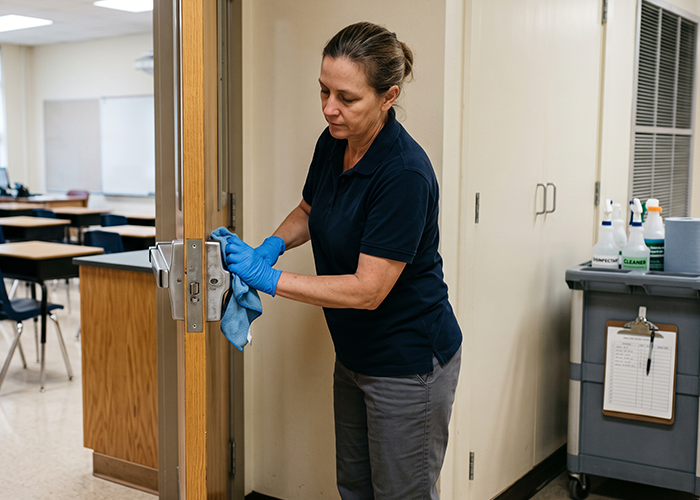
A summer deep clean creates a strong base for daily custodial work. Dust, soil, and clutter often build up in corners, storage areas, and spaces that receive less attention during the year.
Start with high-touch surfaces such as door handles, push bars, handrails, light switches, desktops, counters, faucet handles, and shared equipment. The Centers for Disease Control and Prevention recommends routine cleaning and sanitizing of frequently touched surfaces in schools.
Cleaning and disinfecting are not the same task. Dirt should be removed first, and disinfectants should be used only as directed on their labels. Staff should follow product contact times and use suitable protective equipment.
Focus summer cleaning on:
- Washing walls, doors, and baseboards
- Cleaning vents, grilles, and light fixtures
- Extracting carpets and cleaning upholstered furniture
- Scrubbing and refinishing hard floors when needed
- Cleaning restroom fixtures, partitions, and tile
- Degreasing kitchen surfaces and equipment
- Removing trash and unwanted items from storage spaces
- Cleaning windows, glass doors, and entry areas
A simple room-by-room signoff can prevent missed spaces. It also gives supervisors a clear record of completed work.
Review Doors, Locks, and Safety Systems
Schools depend on doors and locks for everyday access as well as emergency response. Every exterior door should close, latch, and lock as intended.
Inspect hinges, handles, panic hardware, door closers, weather seals, and access control devices. Staff should not need to pull or lift a door to make it secure.
Interior doors also matter. Classroom, restroom, office, and utility room doors should operate freely without scraping the floor or striking nearby objects.
Life safety systems must be handled according to applicable codes and inspection schedules. Coordinate with qualified providers when testing or servicing:
- Fire alarms
- Smoke and heat detection systems
- Fire extinguishers
- Sprinkler systems
- Emergency lighting
- Exit signs
- Carbon monoxide detectors
- Security alarms
- Intercoms and public address systems
Any failed device should be reported and corrected promptly. Keep inspection records organized so that administrators can confirm what was tested, when it was serviced, and whether follow-up work remains open.
Check Electrical Systems and Technology Areas
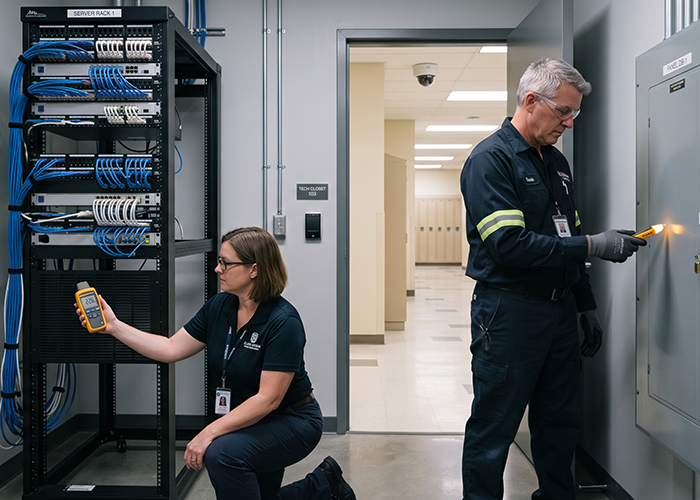
A classroom may contain computers, displays, chargers, printers, and other powered equipment. That can place added demand on outlets and circuits, especially in older buildings.
Look for damaged receptacles, loose cover plates, warm outlets, exposed wiring, and improper extension cord use. Electrical repairs should be completed by qualified personnel.
Technology rooms and network closets also need suitable cooling, clear access, and good housekeeping. Avoid storing paper, cleaning supplies, or unrelated equipment near network hardware and electrical panels.
Before opening day, test equipment that supports daily operations. This may include clocks, bells, intercoms, classroom displays, security cameras, access readers, and emergency communication systems. Early testing gives IT and facility teams time to coordinate repairs.
Improve Entrances, Walkways, and Parking Areas
The exterior of the school creates the first impression for families and visitors. More importantly, it guides people safely from vehicles and sidewalks into the building.
Pressure washing may be needed to remove dirt, stains, algae, and other buildup from entrances or walkways. Painted curbs, fire lanes, parking spaces, crosswalks, and accessible markings should remain easy to see.
Inspect pavement for potholes, cracks, and standing water. Drainage problems can damage surfaces and create slip hazards during rain.
Landscaping should also support safe movement around the property. Trim plants that block signs, lighting, cameras, or sightlines near drop-off areas. Remove dead branches and check fences, gates, playground borders, and retaining walls for damage.
Inspect Playgrounds and Athletic Areas
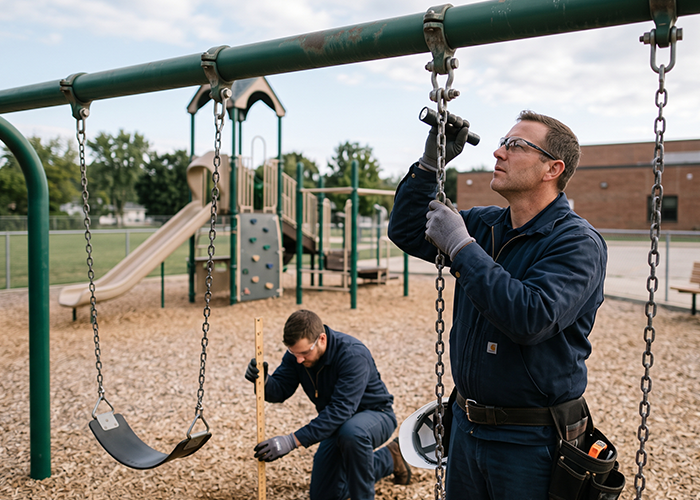
Playgrounds should receive a careful inspection before students return. Loose hardware, worn surfaces, sharp edges, broken components, and inadequate ground cover may expose children to preventable injuries.
Move through each play area slowly and check the equipment from several angles. Test moving parts and inspect areas where components connect.
Review:
- Slides, ladders, swings, and climbing equipment
- Guardrails and protective barriers
- Anchors, bolts, chains, and fasteners
- Surfacing depth and condition
- Drainage around play structures
- Benches, tables, fencing, and gates
- Signs with playground rules or age guidance
Athletic areas need similar care. Inspect gym floors, courts, fields, goals, bleachers, nets, padding, and storage rooms. Damaged equipment should be removed from service until it has been repaired or replaced.
Create a Clear Work Order Plan
A long list of maintenance concerns is useful only if the work is organized. Each item should have an owner, priority, due date, and current status.
A simple priority system can keep the team focused:
- Emergency: The issue presents an immediate threat to people or property.
- High priority: The problem could interrupt school operations or restrict access.
- Routine: The repair is necessary but does not create an urgent risk.
- Planned improvement: The work can be scheduled as time and funding permit.
Set completion dates that leave room for reinspection before school opens. Work finished the night before students return may not allow enough time to catch a failed repair or incomplete cleanup.
Facility managers should also confirm who will respond if a problem arises during opening week. Clear contacts and escalation steps can reduce delays when the campus is at its busiest.
Stock Essential Maintenance Supplies
Supply shortages can slow down even simple repairs. Review inventory before the school year begins and replenish commonly used materials.
The exact list will vary by facility, but it may include:
- HVAC filters
- Light bulbs and approved replacement lamps
- Faucet and toilet repair parts
- Batteries
- Cleaning products
- Paper goods and soap
- Trash liners
- Spill response supplies
- Wet-floor signs
- Basic fasteners and hardware
- Touch-up paint
- Personal protective equipment
Keep supplies in secure, labeled areas. Safety data sheets and product instructions should be easy for employees to access.
Plan Maintenance Beyond Opening Day
Back-to-school preparation should lead into a year-round preventive maintenance schedule. Systems that work on opening day still need regular inspection and service.
Use equipment history, manufacturer guidance, seasonal needs, and past work orders to build the schedule. High-use areas may require more frequent attention than spaces with limited traffic.
A useful plan should cover:
- Weekly campus checks
- Monthly lighting and plumbing reviews
- Regular filter inspections
- Seasonal HVAC service
- Roof and gutter inspections
- Pest control visits
- Fire and life safety service
- Floor and carpet care
- Grounds and drainage work
- Playground and athletic equipment checks
Review the schedule throughout the year. If the same repair keeps appearing, it may be time to address the cause instead of treating each failure as a separate event.
Start the School Year With Confidence
A successful opening depends on more than polished floors and fresh paint.
Careful back-to-school maintenance helps schools protect their facilities, support daily learning, and prevent small defects from turning into costly disruptions.
Get your campus ready before the first bell. Maintenance Specialists can handle the cleaning, repairs, exterior upkeep, and ongoing maintenance your school needs to start the year strong. Call us at 704-405-6000 or contact our team today to keep your facility safe, functional, and ready all year long.
Related Articles:
- School Cleaning Services For A Safe and Health Risk-Free Learning Environment
- Finding And Fixing Commercial Plumbing Leaks
- Don’t Overlook Commercial Floor Drain Maintenance, Here’s Why