

Modern offices welcome dozens or even hundreds of people every day, making it easy for germs to travel from one surface to another. Understanding the Top Germ Hotspots in Offices and Commercial Buildings helps business owners focus their cleaning efforts where they matter most and create a healthier environment for employees, customers, and visitors.
Hotspots You Should Never Ignore
When people think about germs, bathrooms are usually the first place that comes to mind. While restrooms certainly deserve attention, they are far from the only concern inside a commercial building. In many cases, the surfaces employees touch every few minutes collect far more bacteria because they are handled constantly but cleaned less often.
The challenge is that germs are invisible. A desk may appear spotless, a conference room may smell fresh, and a break room countertop may shine, yet harmful microorganisms can still be present. This is why routine cleaning should focus on high-touch surfaces rather than appearance alone.
Professional commercial cleaning services understand this difference. Instead of cleaning only what people notice, they prioritize the areas that receive the most daily contact. This approach helps reduce the spread of bacteria and viruses throughout the workplace.
Below are the places that deserve the most attention.
Door Handles and Entry Points
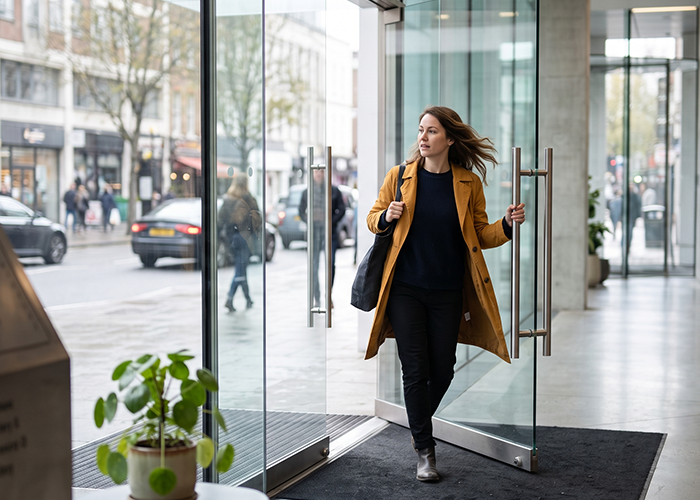
Every employee, client, vendor, and visitor interacts with entrance doors. Throughout a typical workday, these handles may be touched hundreds of times without anyone thinking twice.
Exterior entrances are especially vulnerable because they connect the outside world with the indoor workspace. Germs collected from shopping carts, public transportation, gas pumps, restaurants, and countless other locations can easily transfer onto these surfaces.
Interior doors deserve just as much attention. Office suites, conference rooms, storage rooms, break rooms, and restrooms all experience heavy traffic throughout the day.
Common high-touch entry points include:
- Front entrance door handles
- Push plates
- Pull bars
- Glass door handles
- Conference room doors
- Stairwell doors
- Interior office doors
Routine disinfecting of these areas significantly reduces the number of germs employees encounter during a normal workday.
Elevator Buttons and Handrails
Elevators create another ideal environment for germ transmission. Every rider presses the same buttons, often during busy morning arrivals, lunch breaks, and evening departures.
Unlike many other surfaces, elevator buttons receive continuous contact with very little downtime between users. This constant traffic makes them one of the most frequently touched surfaces inside commercial buildings.
Handrails inside elevators and stairwells present similar concerns. People naturally grab them for balance, especially while carrying bags, equipment, or beverages.
Cleaning these areas multiple times throughout the day is often recommended in larger office buildings where employee traffic remains steady.
Reception Areas and Waiting Rooms

Reception spaces create first impressions, but they also collect germs from nearly everyone who enters the building.
Visitors often sit in waiting areas after traveling from different locations. They place phones, purses, briefcases, and laptops on shared furniture before touching tables, armrests, sign-in tablets, and pens.
Receptionists also interact with numerous people throughout the day, exchanging documents, packages, identification cards, and payment devices.
High-touch surfaces commonly include:
- Reception counters
- Guest chairs
- Coffee tables
- Pens
- Sign-in kiosks
- Digital check-in screens
- Visitor badges
- Payment terminals
Keeping these surfaces clean not only promotes better health but also demonstrates a company’s commitment to professionalism and workplace safety.
Shared Office Equipment
Many businesses have embraced digital workflows, but shared equipment remains part of daily operations.
Printers, copiers, scanners, postage machines, and office supply stations often become gathering points where employees from different departments interact throughout the day.
The problem is that these devices are handled continuously but rarely cleaned by individual employees. Since everyone assumes someone else will take care of them, they can become overlooked germ hotspots.
Frequently touched equipment includes:
- Copier touchscreens
- Printer control panels
- Scanner buttons
- Laminators
- Mailing equipment
- Shared calculators
- Office supply cabinets
Adding these items to a professional cleaning schedule helps prevent germs from spreading between departments.
Employee Desks and Workstations

Many people assume their own desk is one of the cleanest places in the office. Surprisingly, it is often one of the dirtiest.
Employees spend eight or more hours each day at their workstations while eating snacks, drinking coffee, answering phone calls, typing emails, and attending virtual meetings. Throughout the day, hands repeatedly move between keyboards, mice, phones, notebooks, and personal belongings.
Without regular cleaning, bacteria can accumulate quickly.
Frequently overlooked desk items include:
- Keyboard keys
- Computer mice
- Desk phones
- Monitor buttons
- Headsets
- Armrests
- Desk drawers
Encouraging employees to wipe down personal workstations regularly helps reduce germs, but professional cleaning provides a more thorough level of sanitation that reaches areas people often miss.
Break Rooms and Kitchen Areas
Office kitchens naturally bring people together. They are also one of the easiest places for germs to spread.
Employees prepare meals, refill water bottles, use shared appliances, and gather during breaks. Since food preparation is involved, these spaces require extra attention to both cleanliness and sanitation.
Coffee makers deserve special attention because nearly everyone uses them. Handles, lids, buttons, and water reservoirs receive constant contact throughout the day.
Other common germ hotspots include:
- Microwave buttons
- Refrigerator handles
- Cabinet pulls
- Sink faucets
- Coffee machine controls
- Shared condiment bottles
- Vending machine buttons
- Ice machine dispensers
Food spills, moisture, and heavy use create conditions where bacteria can multiply if cleaning is inconsistent.
Professional janitorial teams often recommend more frequent cleaning for break rooms than standard office areas because of the combination of food handling and high employee traffic.
Restrooms Go Beyond Toilets

While toilets receive much of the attention during restroom cleaning, many other surfaces actually experience more frequent contact.
People wash their hands, adjust clothing, open doors, flush toilets, and use dispensers throughout every restroom visit. Each touch point represents another opportunity for germs to spread.
Important restroom surfaces include:
- Sink faucets
- Soap dispensers
- Paper towel dispensers
- Hand dryers
- Stall locks
- Flush handles
- Door handles
- Baby changing stations
A properly maintained restroom depends on consistent cleaning, timely restocking, and thorough disinfection rather than quick surface wipe-downs alone.
Conference Rooms and Meeting Spaces
Conference rooms may only be occupied for part of the day, but they often host multiple groups in quick succession. Employees, clients, vendors, and job candidates can all use the same room within a few hours, creating plenty of opportunities for germs to move from person to person.
The shared equipment inside these spaces tends to receive the most contact. People adjust chairs, connect laptops, use remote controls, and write on whiteboards without thinking about cleaning the items afterward.
Common high-touch surfaces in meeting rooms include:
- Conference tables
- Chair armrests
- Remote controls
- Whiteboard markers and erasers
- Speakerphones
- Touchscreen displays
- HDMI adapters
- Light switches
Cleaning these areas after meetings or as part of a daily janitorial routine helps reduce the spread of germs while keeping meeting spaces ready for the next group.
Shared Electronics Throughout the Building
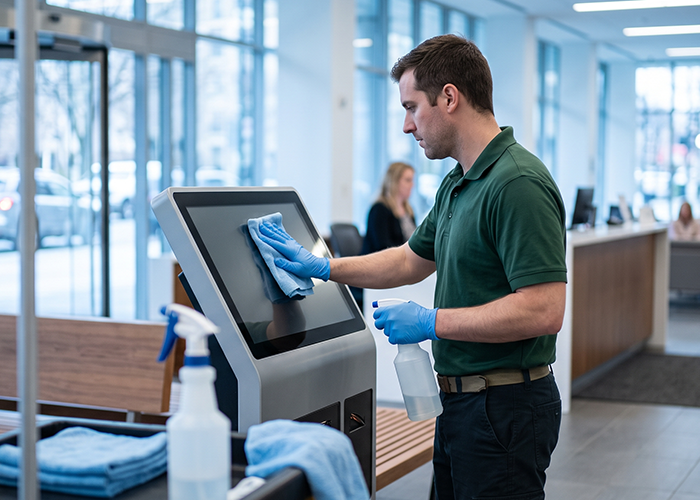
Technology has become part of nearly every workplace, but electronic devices often escape routine cleaning because people worry about damaging them.
In reality, many electronics can be safely disinfected using manufacturer-approved methods and appropriate cleaning products. Ignoring them simply allows bacteria and viruses to build up on surfaces that dozens of people touch every day.
Some of the most commonly overlooked electronics include:
- Touchscreen kiosks
- Time clocks
- Security keypads
- Shared tablets
- Visitor check-in screens
- Self-service stations
- Break room televisions
- Remote controls
These devices should be cleaned carefully and consistently, especially in facilities that welcome customers or members of the public.
Fitness Centers and Wellness Rooms
Many commercial properties now include fitness centers, yoga rooms, or employee wellness spaces. While these amenities encourage healthier lifestyles, they also involve shared equipment that comes into direct contact with hands and skin.
Exercise machines, free weights, and mats can quickly accumulate sweat, body oils, and bacteria if they are not disinfected regularly. Even when employees wipe equipment after use, professional cleaning remains important for thorough sanitation.
Areas that deserve extra attention include:
- Treadmill controls
- Exercise bike handles
- Dumbbells
- Resistance machines
- Yoga mats
- Locker handles
- Water fountain buttons
- Benches
A clean fitness area supports employee wellness while helping reduce the spread of illness.
HVAC Components Can Affect Indoor Cleanliness
Not every germ hotspot is something employees touch.
Heating and cooling systems move air throughout a building, and when filters, vents, or air returns are neglected, dust and other contaminants can circulate more easily.
While HVAC systems are not typically direct sources of disease, poor maintenance can contribute to lower indoor air quality. Dust buildup may also settle on work surfaces, making routine cleaning less effective.
Routine maintenance should include:
- Replacing air filters on schedule
- Cleaning supply and return vents
- Inspecting ductwork when necessary
- Maintaining proper humidity levels
- Keeping mechanical rooms clean
Combining HVAC maintenance with professional janitorial services creates a cleaner indoor environment overall.
Why High-Touch Surface Cleaning Matters
A clean workplace offers benefits that go well beyond appearance.
Employees notice when workspaces feel clean and well cared for. Visitors also form opinions based on what they see, especially in reception areas, conference rooms, and restrooms.
Consistent cleaning can help businesses:
- Reduce the spread of common illnesses
- Support employee health
- Improve workplace morale
- Create a better first impression
- Extend the life of office furniture and equipment
- Promote a more professional environment
When fewer employees become sick, businesses may also experience fewer disruptions and improved productivity.
Building a Smarter Cleaning Routine
Keeping germs under control is not about cleaning harder. It is about cleaning the right places at the right frequency.
A successful commercial cleaning plan focuses on high-touch surfaces throughout the day while also addressing deeper cleaning needs on a scheduled basis.
An effective routine typically includes:
Daily Tasks
- Disinfect door handles and push plates.
- Sanitize shared equipment.
- Clean break rooms and restrooms.
- Empty trash and replace liners.
- Wipe reception counters and waiting areas.
Weekly Tasks
- Deep clean conference rooms.
- Disinfect workstation surfaces.
- Clean glass partitions and doors.
- Sanitize shared electronics.
- Dust hard-to-reach surfaces.
Monthly Tasks
- Perform detailed floor care.
- Clean upholstery as needed.
- Inspect high-touch areas for wear.
- Review cleaning procedures.
- Coordinate HVAC maintenance when appropriate.
Adjusting cleaning frequency based on occupancy and seasonal illness trends helps maintain healthier workplaces throughout the year.
Why Professional Commercial Cleaning Makes a Difference
Employees can certainly help by keeping their desks organized and wiping down personal workstations, but maintaining an entire commercial facility requires a broader approach.
Professional cleaning teams understand where germs are most likely to accumulate and how different surfaces should be cleaned safely. They also use commercial-grade products, proven cleaning methods, and consistent schedules that are difficult for in-house staff to maintain alongside their regular responsibilities.
Experienced janitorial professionals also know that every building is different. An office with a small administrative team has very different cleaning needs than a healthcare clinic, manufacturing facility, educational campus, or multi-tenant office building. Tailoring the cleaning program to the building’s traffic patterns helps ensure high-touch areas receive the attention they need.
Partnering with a trusted commercial cleaning provider allows businesses to maintain a healthier environment while freeing employees to focus on the work they were hired to do.
A Cleaner Workplace Starts With the Right Priorities
The cleanest-looking office is not always the healthiest one. By focusing on the top germ hotspots in offices and commercial buildings, businesses can better protect employees, visitors, and customers while creating a workspace that feels cleaner, safer, and more welcoming every day.
Don’t let hidden germ hotspots affect your employees or leave a poor impression on visitors. A spotless facility says more about your business than words ever could.
Maintenance Specialists provide thorough, science-backed commercial cleaning that eliminates germs at the source protecting your employees, impressing your clients, and keeping your space audit-ready every single day. Reach out today to build a cleaning program tailored to your facility’s exact needs.
Related Articles:
- Commercial Disinfection Services: Why Businesses Need Professional Sanitization Solutions
- How Data Improves Facility Maintenance Decisions
- Emergency Maintenance Response: Tips for HOAs and Multifamily Properties