

Businesses rely on their facilities every day, yet many owners and managers only think about maintenance when something breaks. A full-service facilities maintenance plan helps prevent those disruptions by keeping systems, equipment, and buildings operating properly before problems become expensive.
Understanding a Full-Service Facilities Maintenance Plan
A full-service facilities maintenance plan combines multiple maintenance services under one program. Instead of calling separate vendors for electrical issues, plumbing repairs, landscaping, or HVAC service, businesses work with one maintenance provider that coordinates every aspect of facility care.
This approach creates consistency. Service schedules remain organized, vendors are managed properly, and repairs happen faster. Facility managers also gain better visibility into maintenance costs and building performance.
For many organizations, maintenance is no longer viewed as a reactive expense. It becomes a long-term strategy that protects property investments while reducing unexpected costs.
Preventive Maintenance Programs
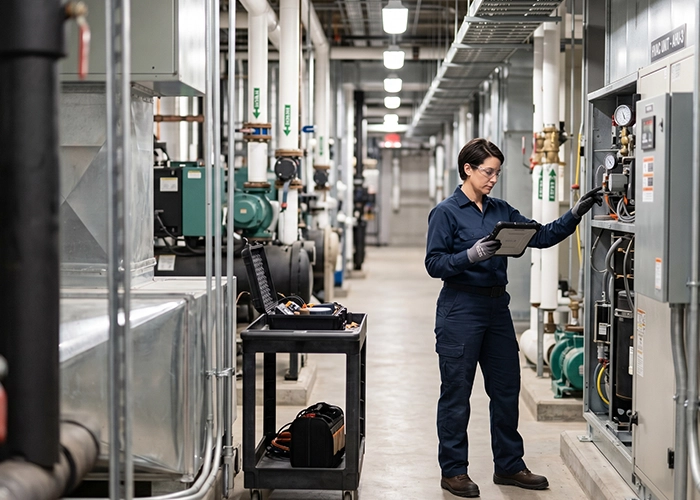
Preventive maintenance serves as the foundation of any maintenance plan. Rather than waiting for equipment to fail, technicians inspect and service systems according to established schedules.
HVAC equipment may receive seasonal inspections, filter replacements, coil cleaning, and performance testing. Electrical systems can be checked for wear, loose connections, and safety concerns. Plumbing fixtures may undergo inspections to identify leaks before water damage occurs.
Routine maintenance helps equipment operate efficiently and often extends its lifespan. Small issues are identified early, allowing repairs to be completed before they become larger problems.
Businesses also benefit from fewer service interruptions. Equipment downtime can affect employees, customers, and daily operations, especially in commercial environments that depend on climate control, lighting, and reliable utilities.
HVAC Maintenance and Mechanical Services
Heating and cooling systems represent some of the most important assets within a commercial property. Poor HVAC performance can create uncomfortable working conditions, increase energy costs, and shorten equipment life.
A maintenance plan typically includes scheduled inspections, system testing, cleaning, and repairs. Technicians monitor airflow, refrigerant levels, thermostats, motors, belts, and electrical components.
Mechanical systems often operate continuously throughout the year. Without regular maintenance, efficiency drops and equipment strain increases.
Many facilities also require seasonal preparation. Cooling systems may need servicing before summer, while heating equipment should be inspected before colder temperatures arrive. These proactive visits help reduce emergency breakdowns during periods of heavy use.
Plumbing Maintenance and Repairs
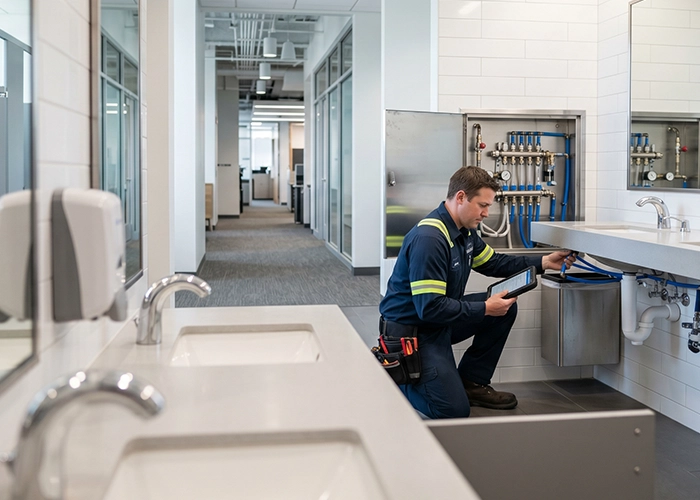
Plumbing problems rarely improve on their own. Minor leaks, clogged drains, and failing fixtures often become expensive repairs when left untreated.
A full-service maintenance plan usually includes routine plumbing inspections and repair services. Technicians evaluate water lines, fixtures, drains, water heaters, and other components throughout the facility.
Restrooms, break rooms, kitchens, and common areas receive frequent use in commercial buildings. Consistent maintenance helps maintain cleanliness, safety, and proper operation.
Water damage can affect flooring, walls, equipment, and inventory. Early detection reduces these risks and limits operational disruptions.
Electrical System Maintenance
Electrical systems support nearly every function inside a commercial facility. Lighting, equipment, computers, security systems, and machinery all depend on reliable power.
Maintenance professionals inspect panels, breakers, lighting systems, wiring, outlets, and electrical equipment. Preventive service may identify overheating components, damaged wiring, or outdated equipment.
Lighting maintenance also falls under many service plans. Burned-out fixtures can create safety concerns and negatively affect the appearance of a facility.
Regular inspections improve reliability while helping businesses maintain safe working environments. Electrical issues that go unnoticed may increase repair costs and create unnecessary downtime.
General Building Repairs
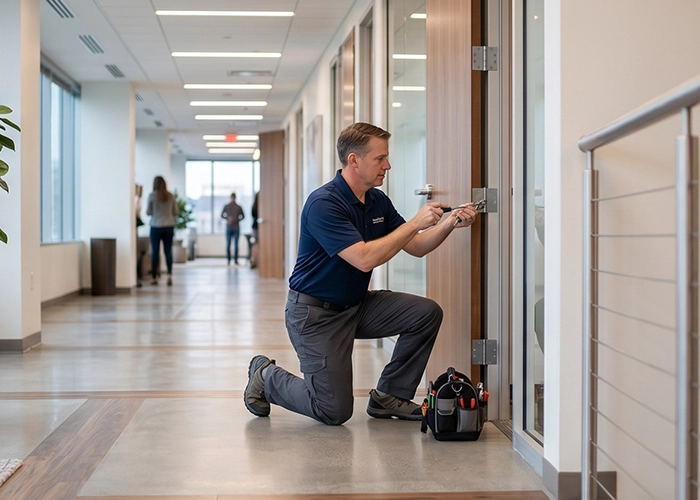
Buildings experience wear every day. Doors become misaligned, ceilings develop stains, walls sustain damage, and flooring begins to deteriorate.
A maintenance plan often includes general repair services that address these routine issues. Small repairs protect the appearance of the property while preventing larger problems from developing.
Facility managers frequently deal with a wide range of maintenance requests. Having one provider handle these repairs simplifies communication and improves response times.
Common repairs may involve drywall, doors, hardware, ceilings, windows, flooring, and interior finishes. Exterior components such as siding, gutters, and walkways may also receive attention.
Janitorial and Cleaning Support
Clean facilities contribute to employee satisfaction, customer experiences, and overall workplace health. Many maintenance plans incorporate janitorial services or coordinate with cleaning vendors.
Routine cleaning helps maintain offices, common areas, restrooms, and high-traffic spaces. Floors, windows, and shared areas require ongoing attention to preserve appearance and cleanliness.
Some facilities also benefit from specialized cleaning services. Carpet cleaning, pressure washing, floor maintenance, and sanitation programs can support overall building care.
A clean environment reflects positively on the organization and creates a more welcoming experience for visitors.
Exterior Maintenance and Grounds Care

The exterior of a facility creates the first impression for employees, customers, and guests. Parking lots, sidewalks, landscaping, and building exteriors require regular attention.
Maintenance plans frequently include grounds management services such as landscaping, debris removal, irrigation inspections, and seasonal cleanup.
Exterior building maintenance may involve pressure washing, gutter cleaning, minor repairs, and inspections. Parking areas, sidewalks, and entrances also require routine evaluation.
Weather conditions can accelerate deterioration. Regular maintenance helps preserve curb appeal while improving safety for building occupants and visitors.
Emergency Repair Services
Even the most proactive maintenance programs cannot prevent every issue. Equipment failures, storms, water leaks, and power disruptions sometimes occur unexpectedly.
A full-service maintenance plan often provides access to emergency repair services. Rapid response minimizes downtime and reduces the impact on business operations.
Emergency services may address:
- HVAC failures
- Plumbing leaks
- Electrical outages
- Water damage
- Storm-related issues
- Safety hazards
Having an established maintenance partner eliminates the need to search for contractors during urgent situations. Service providers already understand the facility and can respond more efficiently.
Vendor Coordination and Management

Commercial properties often require multiple specialized vendors. Managing these relationships can consume valuable time and resources.
Facilities maintenance providers frequently coordinate third-party vendors on behalf of the client. They schedule services, oversee work quality, and ensure projects remain on schedule.
This approach simplifies communication. Facility managers work with one point of contact rather than coordinating several contractors.
Vendor management also improves accountability. Service providers monitor performance and help maintain consistent standards across multiple locations.
Asset Tracking and Equipment Management
Building equipment represents a significant investment. HVAC systems, water heaters, generators, lighting systems, and mechanical equipment all require monitoring.
Many maintenance plans include asset tracking and equipment documentation. Service histories, repair records, warranty information, and maintenance schedules remain organized.
These records help businesses make informed decisions regarding repairs, replacements, and budgeting.
Understanding the condition of equipment also supports long-term capital planning. Businesses can prepare for future expenses rather than reacting to unexpected failures.
Compliance and Safety Inspections
Commercial facilities must comply with numerous safety regulations and building requirements. Maintenance providers help identify issues that may affect compliance.
Routine inspections can evaluate emergency lighting, fire safety equipment, exits, and other building components. Deficiencies are documented so corrective action can be taken.
Safety inspections also reduce liability risks. Employees and visitors benefit from properly maintained facilities and safer environments.
Maintaining documentation of inspections and maintenance activities may support audits, insurance requirements, and regulatory compliance.
Reporting and Maintenance Documentation
One of the most valuable components of a maintenance plan is reporting. Facility managers need visibility into service activities, repairs, and maintenance trends.
Service reports often include completed work orders, inspection findings, repair recommendations, and maintenance schedules.
This information helps organizations understand building performance and maintenance costs. Trends can be identified before they become major concerns.
Detailed reporting also supports budgeting and planning efforts. Decision-makers gain a clearer understanding of facility needs and future investments.
Benefits of Having a Full-Service Maintenance Partner
Working with a single maintenance provider offers several advantages beyond individual repairs.
Key benefits often include:
- Reduced equipment downtime
- Better cost control
- Faster service response
- Improved communication
- Longer equipment life
- Simplified vendor management
- Increased operational efficiency
Businesses can focus on daily operations while maintenance professionals oversee facility performance.
Consistency also improves service quality. Providers become familiar with the property, equipment, and operational priorities, allowing them to deliver more effective support.
Finding the Right Maintenance Program for Your Facility
Every facility has different requirements. Office buildings, industrial properties, retail spaces, healthcare facilities, and educational buildings each have unique maintenance needs.
A successful maintenance plan begins with understanding the property, equipment, occupancy, and operational goals.
The right provider develops customized programs rather than offering identical solutions for every client. Service schedules, inspections, response times, and reporting can all be tailored to the facility.
Long-term partnerships often deliver the greatest value because providers gain a deeper understanding of the property over time.
Keeping Your Facility Ready for the Future
A full-service facilities maintenance plan does more than repair broken equipment. It creates a structured approach that protects assets, improves reliability, and supports daily operations.
Your building deserves more than reactive repairs. A comprehensive maintenance plan helps reduce disruptions, extend equipment life, and keep your facility operating at its best.
Maintenance Specialists deliver tailored maintenance solutions designed to meet your needs today while protecting and preparing your property for the future. Get started by calling us at 704-405-6000 or reaching out online to get started.
Related Articles:
- Asset Lifecycle Management For Commercial Buildings And Facilities
- The Essential Guide To Commercial Fire Suppression System Checkup And Maintenance
- Commercial Handrail Repair And Maintenance